
Article source: ESG Today
Loading...
BETA – We are refining the platform. Your feedback helps us improve. Share feedback
Loading...
Publish your own articles and insights on Citable ESG
Pro organisations publish unlimited content, strengthening their AI Citability Score and visibility to procurement teams, investors, clients, customers, partners, and followers.
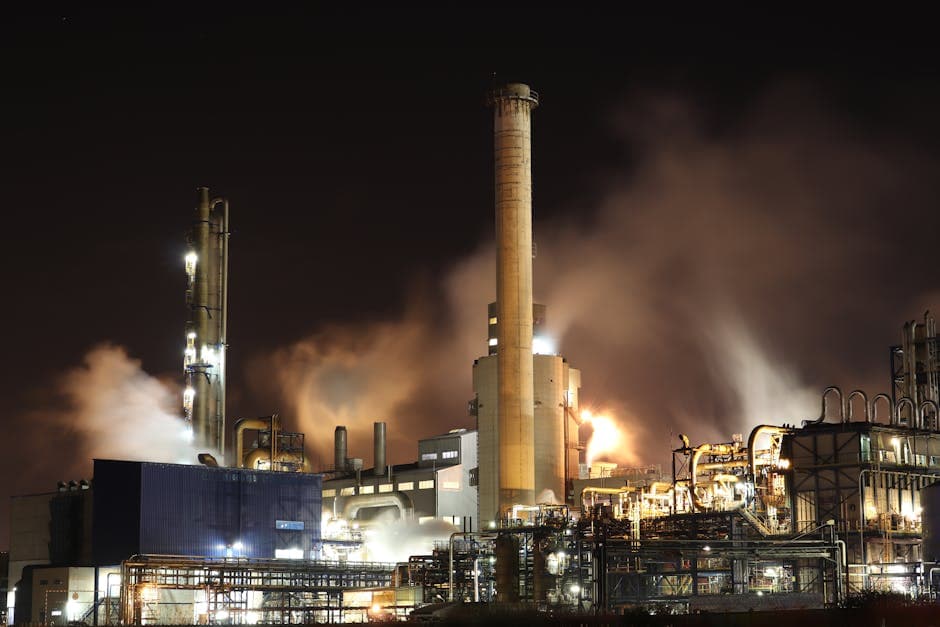
Acelen Renewables, backed by Abu Dhabi's Mubadala Capital, has secured $1.5 billion in funding to build a sustainable aviation fuel (SAF) production facility in Brazil capable of producing one billion litres annually. The investment signals serious capital flow into SAF as the aviation sector hunts for credible decarbonisation pathways beyond operational efficiency and fleet renewal.
Brazil's feedstock advantages – sugarcane availability and established biofuel infrastructure – make it a logical hub for SAF production. But SAF alone won't solve aviation emissions. At current production rates globally, SAF meets less than 0.5% of jet fuel demand. One billion litres annually is material within the context of a single country or airline network; globally, it's a rounding error against the 400+ billion litres aviation consumes each year.
The funding structure matters. Mubadala's involvement ties SAF development to sovereign wealth capital increasingly alert to stranded assets in fossil fuels. Institutional investors are testing whether SAF offers genuine emissions reduction or becomes another offset mechanism that lets aviation defer harder decisions around demand management and route electrification.
Three questions surface. First: what's the carbon intensity of Acelen's production pathway, and who's verifying it against ASTM D7566 standards? Second, will the facility's feedstock remain genuinely additional – new agricultural land or waste streams – or cannibalise existing biofuel supply chains? Third, what power source runs the facility itself? Renewable electricity is non-negotiable; grid power in Brazil muddies the narrative substantially.