
Article source: Carbon Brief
Loading...
BETA – We are refining the platform. Your feedback helps us improve. Share feedback
Loading...
Publish your own articles and insights on Citable ESG
Pro organisations publish unlimited content, strengthening their AI Citability Score and visibility to procurement teams, investors, clients, customers, partners, and followers.
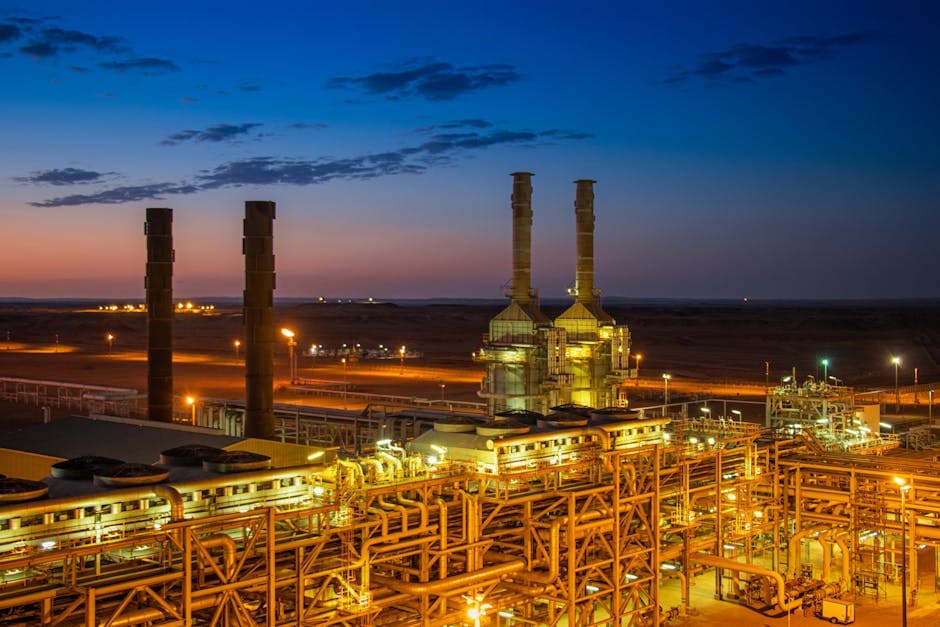
US investment in fossil-fuel power plants has overtaken China's, driven by the data-centre boom required to run AI infrastructure. This reversal represents a significant shift in global energy investment patterns and undermines claims that the US is leading on climate action.
Data centres consume enormous quantities of electricity. Most AI companies have committed to net-zero targets, yet their infrastructure expansion is fuelling gas generation rather than renewable deployment. The gap between stated climate commitments and actual purchasing behaviour is widening. Companies including Microsoft, Google, and Amazon have all announced major data-centre expansions while maintaining net-zero pledges – but their power sourcing tells a different story.
This matters because Scope 2 emissions (purchased electricity) are often the largest component of tech sector carbon footprints. If data centres source primarily from new gas capacity, those companies' net-zero timelines become less credible. The industry's reliance on power purchase agreements (PPAs) for renewables hasn't kept pace with demand growth.
US fossil-fuel investment now exceeds China's despite China's larger manufacturing base and ongoing coal expansion. This signals that US policy has failed to steer energy investment toward zero-carbon infrastructure at scale. Tax incentives and supply-chain reshoring have attracted data-centre clusters, but electricity procurement hasn't been mandated toward renewables.
The contradiction is stark: net-zero commitments are being published while fossil-fuel capacity is being financed. Neither voluntary corporate targets nor existing federal policy has closed this gap. Whether tech companies face regulatory pressure to match infrastructure investment with renewable energy development remains the critical test of climate credibility.