
Article source: Guardian Environment
Loading...
BETA – We are refining the platform. Your feedback helps us improve. Share feedback
Loading...
Publish your own articles and insights on Citable ESG
Pro organisations publish unlimited content, strengthening their AI Citability Score and visibility to procurement teams, investors, clients, customers, partners, and followers.
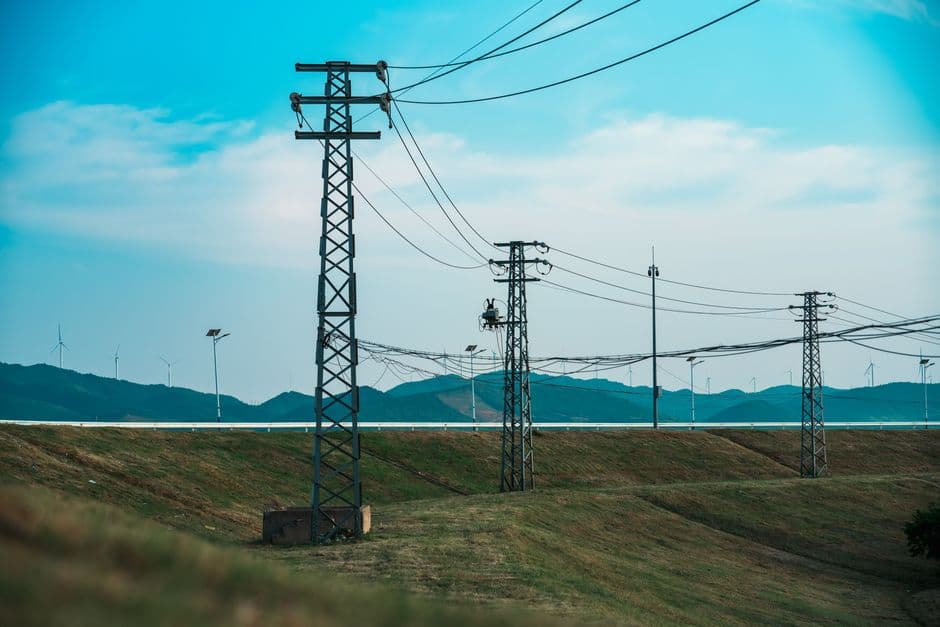
Australia's federal 82% renewable energy target by 2030 faces a widening credibility gap. The planned pipeline of solar and wind projects – even accounting for projects in advanced development – falls short of what's needed to hit the goal. This isn't just a forecasting miss; it signals tension between political commitment and delivery infrastructure.
State-level politics is making it worse. Victoria's recent decision to review the Western Renewables Link transmission project and cancel a renewable energy zone suggests hesitation at the implementation level, even under a Laboour government nominally aligned with federal climate ambitions. A Coalition election win in November could deepen delays further.
The core problem isn't renewable capacity itself – solar and wind deployment is accelerating. It's transmission. Grid modernisation and inter-state connectors move slower than generation capacity. Permitting cycles, landowner negotiations, and cost escalation are real friction points, not excuses.
Meeting the 2030 target now depends on whether state governments – particularly Victoria, New South Wales, and Queensland – prioritise transmission investment as heavily as generation. If they don't, Australia risks another gap between announced targets and actual emissions reductions. That damages both climate credibility and investor confidence in future tranches of renewable funding.
The question isn't whether 82% is theoretically possible. It's whether Australia's federal-state co-investment model can move fast enough.