
Article source: Guardian Environment
Loading...
BETA – We are refining the platform. Your feedback helps us improve. Share feedback
Loading...
Publish your own articles and insights on Citable ESG
Pro organisations publish unlimited content, strengthening their AI Citability Score and visibility to procurement teams, investors, clients, customers, partners, and followers.
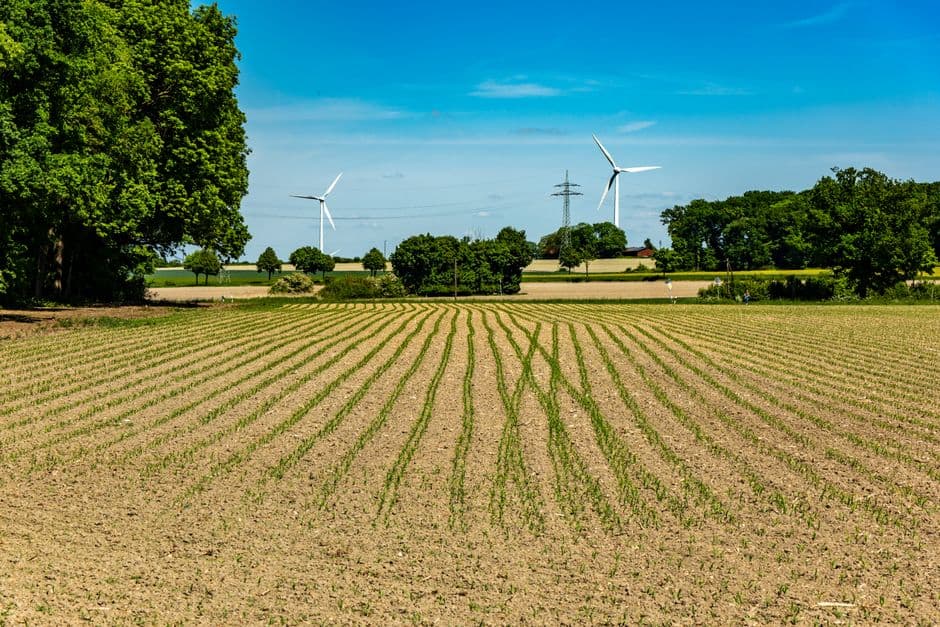
Brazil's north-east has become a renewable energy powerhouse. Wind farms now carpet Rio Grande do Norte, generating clean electricity and positioning the country as a global green energy leader. But the distribution of costs tells a different story.
Local farmers and communities bear real hardship. Antonio de Souza's cashew trees were cleared to make way for power lines. His land is now unusable for crops; cattle cannot graze near transmission infrastructure; tractors risk electrocution in wet weather. This is not an isolated case – it is the pattern across affected regions.
The tension is structural. Renewable energy expansion creates national climate benefit and export opportunity. It does not automatically distribute that benefit to those whose land, livelihoods, and health are disrupted. Communities report respiratory complaints linked to dust from construction and operation. Compensation mechanisms, where they exist, are inadequate.
This is a just transition failure in real time. Brazil aspires to be the 'Saudi Arabia of green energy' – a phrase that itself masks the geopolitical and social extraction embedded in energy dominance. That ambition is legitimate. But it requires deliberate redistribution of gains to affected communities, not rhetorical positioning.
Without it, renewable energy becomes another extractive industry, simply wearing a different colour. The question is whether Brazil will treat this as a regulatory afterthought or as a core challenge to energy legitimacy.