
Loading...
BETA – We are refining the platform. Your feedback helps us improve. Share feedback
Loading...
Publish your own articles and insights on Citable ESG
Pro organisations publish unlimited content, strengthening their AI Citability Score and visibility to procurement teams, investors, clients, customers, partners, and followers.
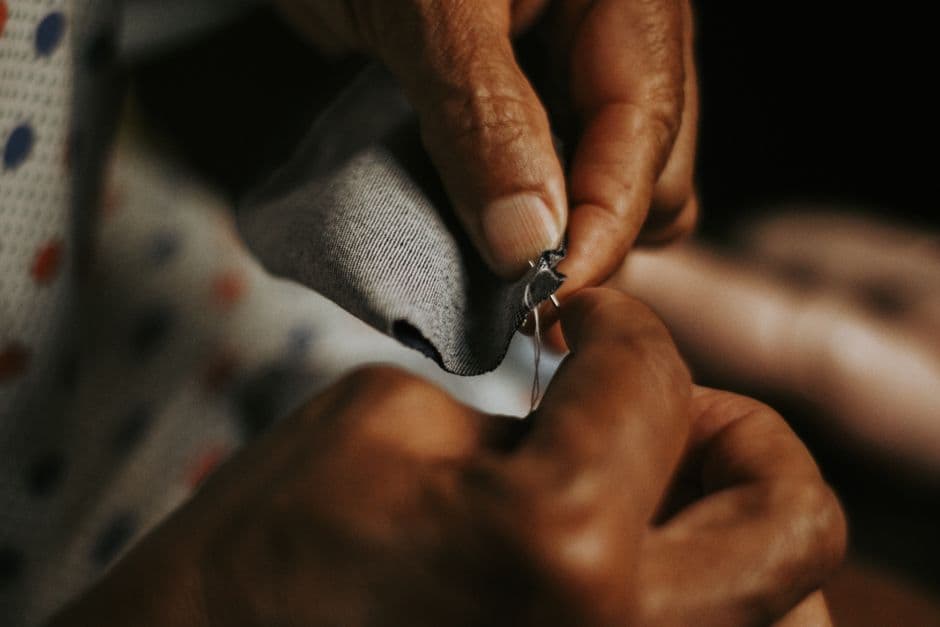
The fashion industry's circular ambitions face a brutal economic reality: repair and resale remain financially outcompeted by throwaway production. Brands including H&M, Primark and Vestiaire Collective are now actively lobbying policymakers in the EU, US and Canada to shift that equation through regulation.
The core problem is structural. Fast fashion's unit economics depend on volume and velocity; circular models demand different infrastructure – logistics networks for returns, skilled labour for repair, storage for inventory. Without intervention, incumbents simply won't absorb those costs. The brands pushing for policy change aren't doing so from altruism; they're signalling that continued growth in their core markets requires legal levelling.
What this really means: the EU's forthcoming ecodesign and digital product passport regulations, alongside potential US trade policy and Canadian extended producer responsibility schemes, could force the cost-competitiveness shift. Mandatory durability standards, repair-right legislation, and producer liability for end-of-life textiles would embed circular economics into the business model rather than treating it as a premium add-on.
The tension is real. Smaller independent brands and truly circular players often can't afford compliance costs that scale poorly below enterprise size. And repair markets remain constrained by skills shortages and wage inflation that policy alone won't solve.
The question: will these regulations actually accelerate circular adoption, or simply create compliance theatre where large players absorb fines and pass costs to consumers whilst the fundamental economics of throwaway production remain intact?