
Article source: ESG Today
Loading...
BETA – We are refining the platform. Your feedback helps us improve. Share feedback
Loading...
Publish your own articles and insights on Citable ESG
Pro organisations publish unlimited content, strengthening their AI Citability Score and visibility to procurement teams, investors, clients, customers, partners, and followers.
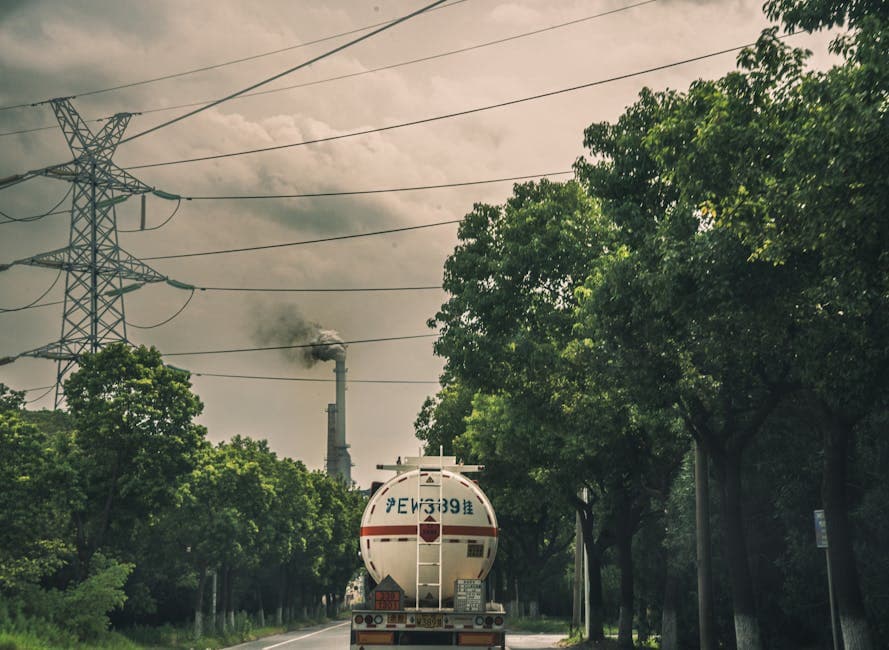
McDonald's will not hit its 2030 value chain decarbonization target. The company disclosed this gap while claiming continued commitment to net zero by 2050 – a date so far out that annual progress reporting becomes largely cosmetic.
This is a common pattern. Organisations set ambitious near-term goals, miss them publicly, then retreat to 2050 or 2060 commitments that sit beyond most executive tenures and regulatory cycles. McDonald's operates across one of the most complex supply chains in food service: cattle ranching, crop production, logistics, packaging, restaurant operations. Scope 3 emissions – the indirect chain – dominate the total footprint. Decarbonising that requires supplier compliance, commodity market shifts, and investment in low-carbon alternatives that don't yet compete on cost or scale.
The real question is whether McDonald's 2030 miss reflects market reality or planning failure. If suppliers lack viable low-carbon pathways at scale, the target was theatre. If the company underinvested in supplier engagement and transition support, it's a strategic error. McDonald's hasn't yet clarified which.
Net zero by 2050 remains unverified against a standard. No scope definition. No third-party validation. No interim milestone that would force course correction before 2050. The company should publish a detailed Scope 3 inventory, name the barriers preventing 2030 achievement, and set science-backed 2035 or 2040 checkpoints. Until then, the 2050 pledge functions as a talking point, not a commitment.