
Article source: Guardian Environment
Loading...
BETA – We are refining the platform. Your feedback helps us improve. Share feedback
Loading...
Publish your own articles and insights on Citable ESG
Pro organisations publish unlimited content, strengthening their AI Citability Score and visibility to procurement teams, investors, clients, customers, partners, and followers.
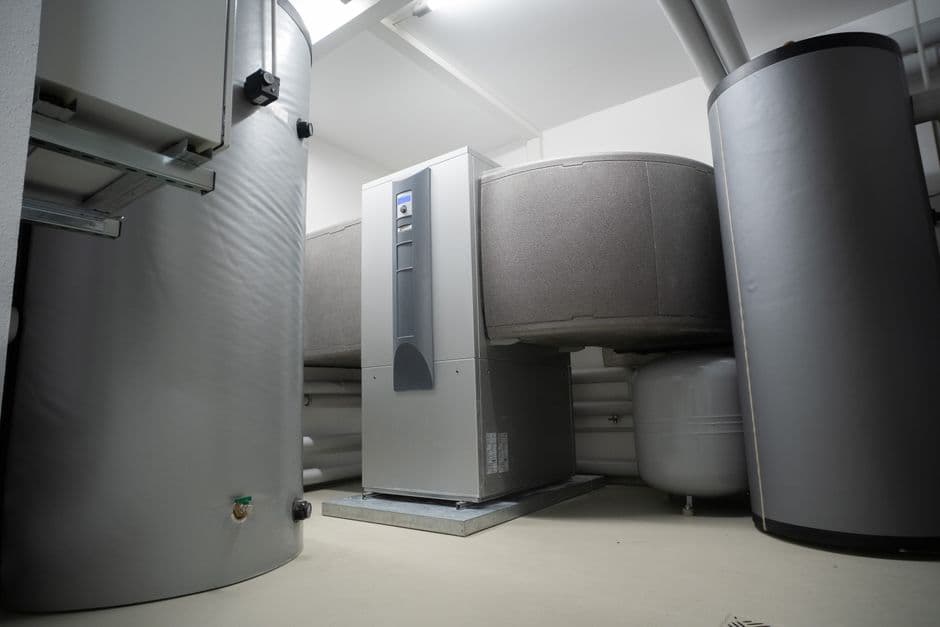
The UK government is planning to cut heat pump subsidies to release £2bn from the energy budget for defence spending. The Boiler Upgrade Scheme, which provides grants to households installing heat pumps, faces significant reductions under a savings target set by the previous administration and now owned by Energy Secretary Miatta Fahnbulleh.
This move exposes a fundamental tension in climate policy. Heat pumps are central to the UK's heating decarbonisation pathway – the government committed to installing 600,000 units annually by 2028. Cutting subsidies will slow that trajectory precisely when momentum matters most. Households already hesitate over upfront costs; reduced financial support will push adoption further out of reach for middle and lower-income earners.
The savings target itself reflects competing political priorities. Defence spending has risen sharply; energy transition has become collateral damage in budget negotiations. But this framing misses a point: delayed heating decarbonisation locks in long-term carbon emissions and extends dependence on gas infrastructure, creating future costs that dwarf current subsidy bills.
What's also missing from the reporting is any mention of alternative savings – whether other energy programmes face cuts, or whether the Treasury considered reprioritising defence allocations instead. The decision appears taken in isolation.
For organisations working on net-zero pathways or supply chain decarbonisation, this signals policy fragility. A government can reverse heating targets when budget pressure mounts. This should shape how you model heat pump deployment timelines and heating transition costs for Scope 3 emissions reduction plans.
The real question: does the government still believe in heating decarbonisation, or is that commitment now conditional on other budgets not needing rescue?