
Sysco dinged on seafood sustainability
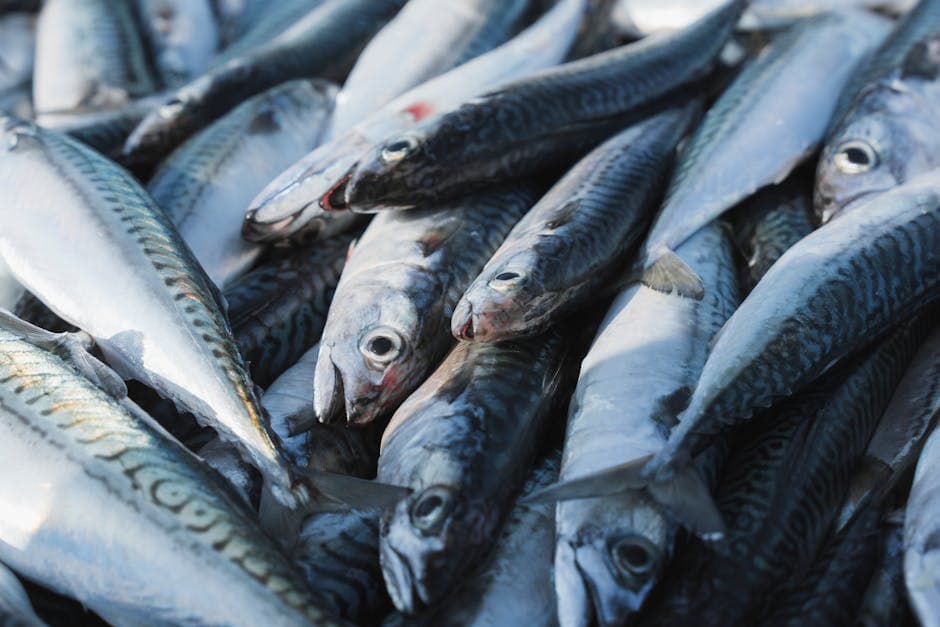
Sysco, the US foodservice distributor, has received low sustainability rankings for its seafood sourcing – primarily because it discloses too little about ecosystem impact and deforestation risk across its supply chain. The criticism points to a familiar gap: major procurement organisations can meet basic compliance thresholds without revealing the data that would let buyers verify actual environmental performance on the ground. Sysco's ranking suggests that voluntary disclosure frameworks – whether GRI, CSRD-adjacent, or retailer-specific – remain porous when it comes to commodity-level traceability. Seafood supply chains are notoriously opaque. Overfishing, illegal fishing, and habitat destruction drive biodiversity loss faster than most terrestrial supply chains, yet many large distributors treat seafood sourcing as a lower-priority ESG category than forest commodities or labour standards. The low score isn't necessarily an indictment of Sysco's actual practices – it's a signal that the company hasn't made the business case for transparency. That's a strategic choice, not an accident. If Sysco's major customers – restaurants, hospitals, corporates – began demanding seafood traceability as a contract requirement, disclosure would follow within months. The real question is whether procurement standards will tighten before regulatory pressure forces it, or whether this remains a voluntary gap that companies can afford to leave unfilled.