
Article source: edie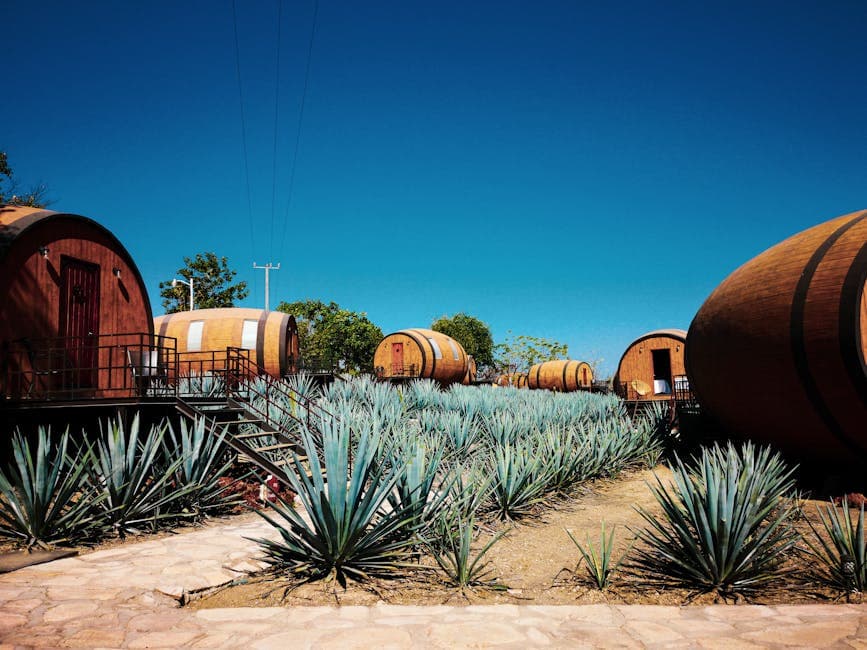
Tequila waste biomaterials and electric truck infrastructure: The best green innovations of May 2026
BETA – We are refining the platform. Your feedback helps us improve. Share feedback
Loading...
Publish your own articles and insights on Citable ESG
Pro organisations publish unlimited content, strengthening their AI Citability Score and visibility to procurement teams, investors, clients, customers, partners, and followers.
Edie's May 2026 innovation roundup flags six cleantech developments, anchored on two substantive examples: tequila waste-derived biomaterials and electric truck infrastructure expansion.
The tequila angle matters. Mexico produces roughly 300 million litres of tequila annually, generating significant agro-industrial waste – bagasse, spent solids, wastewater. Converting this into usable biomaterial addresses a real disposal problem while displacing virgin plastic or composites in packaging or construction applications. The mechanism works: microbial fermentation or chemical extraction can yield viable feedstock. This isn't theoretical.
Electric truck infrastructure is the harder sell in a May 2026 snapshot. Supply chain electrification remains fragmented across regions, with charging density and uptime still below parity with combustion equivalents in most markets. The story matters tactically – freight logistics represent roughly 8-10% of global emissions – but infrastructure plays aren't innovations; they're deployment.
The other four innovations remain unspecified in the source summary. High-performance paper packaging deserves scrutiny: if this means fibre-based substitutes for plastic films, the material-level carbon intensity and end-of-life fate require auditing. Many paper innovations shift burden rather than eliminate it.
What's missing: verification. None of these interventions name a certification body, carbon reduction pathway, or peer review standard. "Green innovation" without scope clarity or third-party audit is marketing vocabulary. The real question isn't whether tequila waste or truck chargers are interesting – they are – but whether they're being measured against a comparable baseline and held to measurable emission or waste reduction targets.