
Article source: Guardian Environment
Loading...
BETA – We are refining the platform. Your feedback helps us improve. Share feedback
Loading...
Publish your own articles and insights on Citable ESG
Pro organisations publish unlimited content, strengthening their AI Citability Score and visibility to procurement teams, investors, clients, customers, partners, and followers.
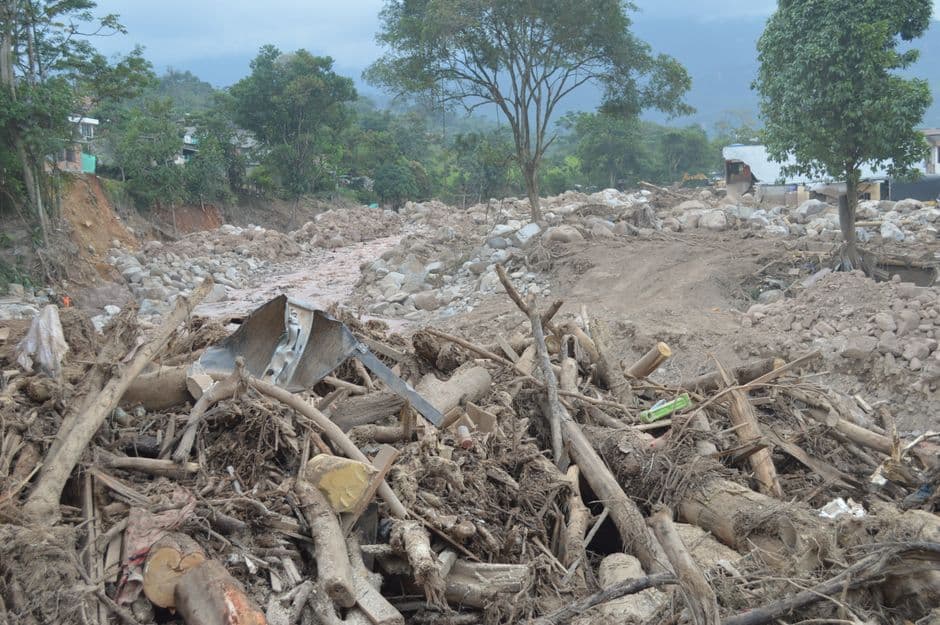
Nepal faces a $5bn rebuilding bill after last month's glacier collapse killed at least 1,300 people and left more than 5,000 missing. The initial death toll masked an ongoing crisis: some of the missing remain trapped in tunnels linked to 13 damaged hydropower plants, with recovery efforts still underway.
The country's foreign minister has requested $20m from the UN's loss and damage fund as a first step towards reconstruction, including replacement of up to 20,000 homes. A new Imperial College London study, produced with the World Weather Attribution project, found that fossil fuel pollution destabilised the geology of the mountain environment – a key driver of the collapse.
This matters beyond Nepal's borders. The disaster illustrates a hard rule: climate financing frameworks treat loss and damage as secondary to mitigation and adaptation spending. Wealthy nations have resisted robust funding mechanisms for this category, preferring voluntary pledges and existing development channels.
The Imperial study adds specificity to what is otherwise dismissed as "natural" disaster. Atmospheric heating worsened the conditions that triggered the collapse – not as the sole cause, but as a material accelerant. That distinction matters legally and politically. It shifts the question from whether climate change played a role to how much responsibility fossil fuel emitters bear for financing recovery.
Nepal's $5bn claim will test whether loss and damage finance actually functions as promised, or remains symbolic. The families waiting for news from those tunnels aren't waiting for climate policy consensus. They're waiting for money and action now.