
Article source: BBC Science & Environment
Loading...
BETA – We are refining the platform. Your feedback helps us improve. Share feedback
Loading...
Publish your own articles and insights on Citable ESG
Pro organisations publish unlimited content, strengthening their AI Citability Score and visibility to procurement teams, investors, clients, customers, partners, and followers.
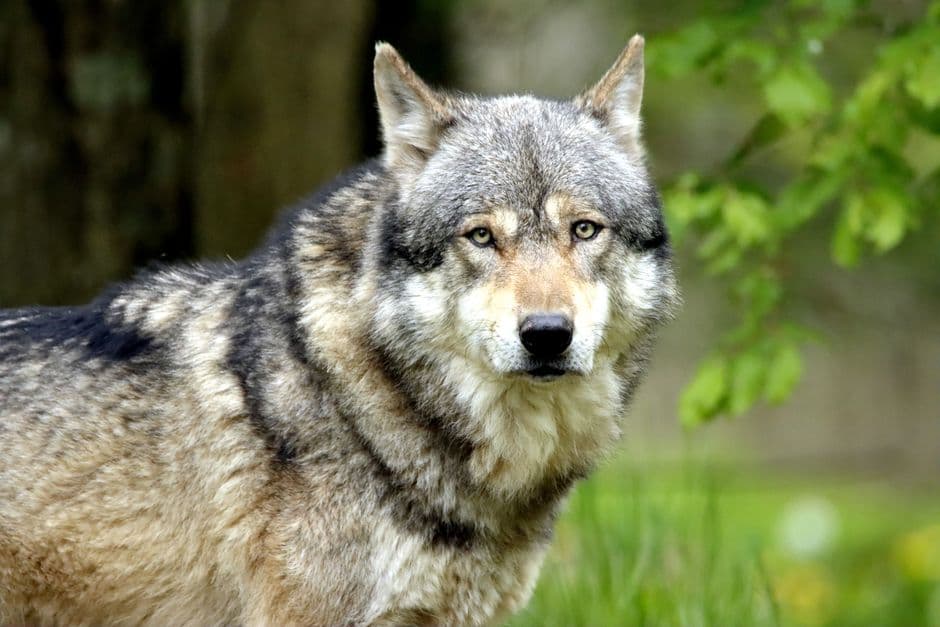
Donald Trump has signed an executive order to remove federal protection from grey wolves under the Endangered Species Act. The stated rationale: relief for ranchers dealing with livestock losses. The reality is messier.
Grey wolves were delisted once before, in 2011, after their population recovered in the Northern Rocky Mountains. Within a decade, state-managed hunting seasons reduced populations sharply. Federal protections were reinstated in 2022 following litigation. Now Trump's order seeks permanent removal.
Conservationists argue the move undercuts recovery efforts in regions where wolves remain absent or scarce – the Southwest, Pacific Northwest, and other areas where reintroduction programmes are active. The order doesn't change facts on the ground: wolves occupy a fraction of their historical range, and population viability depends on interstate coordination that state-by-state management often fails to deliver.
This is not primarily an environmental policy story. It's a test of how administration priorities (deregulation, ranching interests) override scientific consensus on population recovery thresholds and interstate biodiversity governance. The Endangered Species Act, passed in 1973, contains specific criteria for delisting. Those criteria exist precisely to prevent political swings from overriding evidence.
What's worth watching: whether Congress intervenes, and whether other predator protections – grizzly bears, Mexican grey wolves – face similar pressure. The greywolf precedent signals which way this administration weights wildlife policy against sectoral interests.