
Article source: Guardian Environment
Loading...
BETA – We are refining the platform. Your feedback helps us improve. Share feedback
Loading...
Publish your own articles and insights on Citable ESG
Pro organisations publish unlimited content, strengthening their AI Citability Score and visibility to procurement teams, investors, clients, customers, partners, and followers.
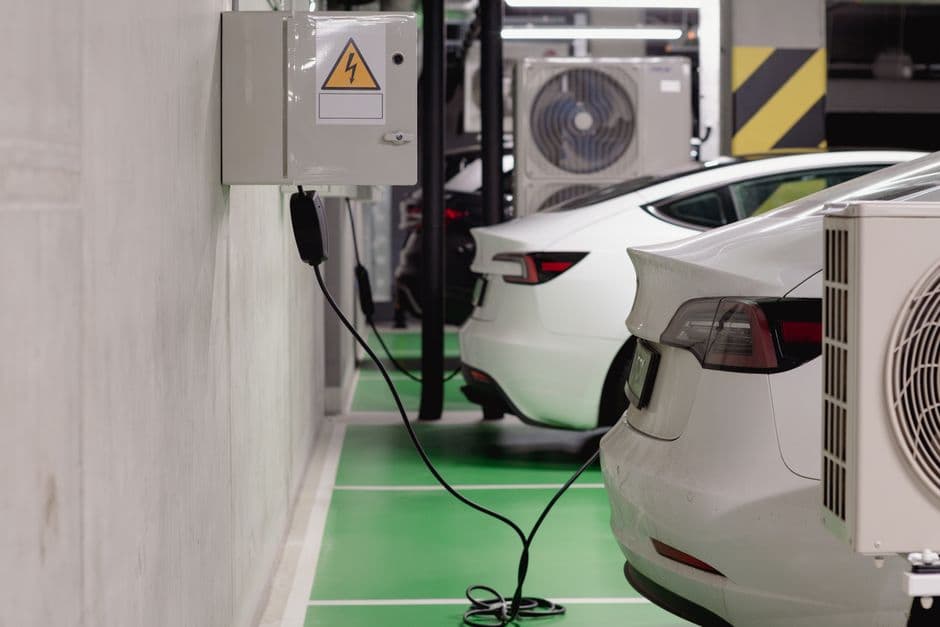
The UK government is considering cutting its 2030 zero-emission vehicle target from 80% to as low as 50% of new car sales. This reversal directly undermines the country's climate commitments and contradicts market reality.
The data tells a different story. More than half of new cars sold in the UK last month were electric or hybrid; pure electric vehicles alone accounted for 28% of sales. Ninety-four percent of current EV drivers report saving money compared to petrol and diesel, with running costs at roughly 2.4p per mile versus £120 for a full tank of conventional fuel. Driver satisfaction is high: similar proportions say they would buy electric again and recommend the technology to family and friends.
A policy retreat now risks signalling weakness on climate action precisely when market momentum and consumer behaviour favour electrification. Manufacturers have already committed billions to EV production lines; pulling the regulatory target backward creates investment uncertainty without changing the underlying economics that drive adoption.
The political logic appears to be anxiety over manufacturing capacity and consumer cost concerns. But the evidence suggests consumers are already choosing electric on cost grounds alone. The question isn't whether to mandate the transition – it's whether government policy keeps pace with it or falls behind.