
Closing the Scope 3 Measurement Gap: 2026 Guide
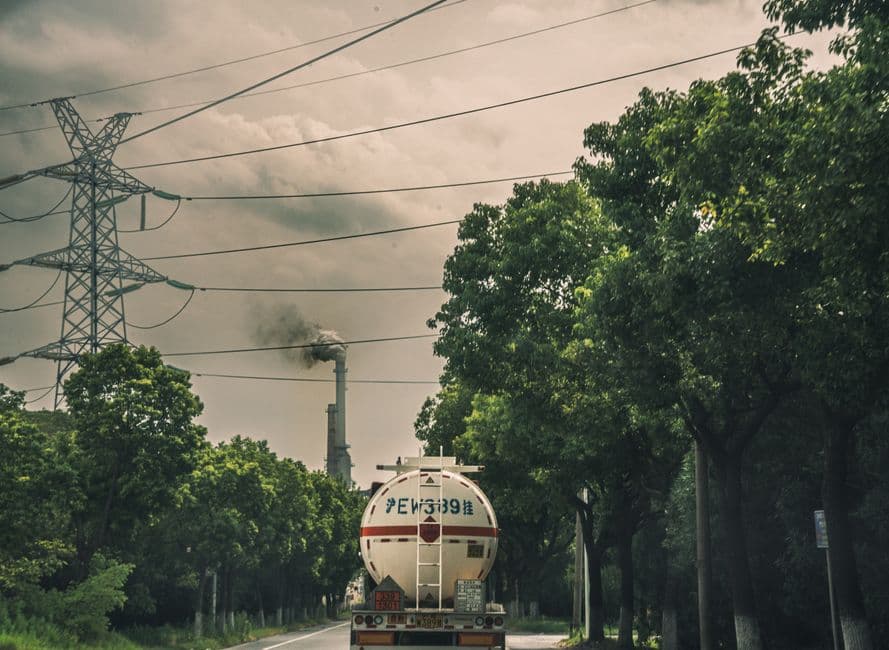
Scope 3 emissions – the bulk of most organisations' carbon footprint – remain the hardest to measure and the easiest to dodge. EcoVadis has published guidance aimed at 2026, the year many supply chains will face regulatory pressure to demonstrate credible Scope 3 accounting. The gap between what companies *think* they emit downstream and what they actually emit is substantial. Most organisations still treat Scope 3 as an afterthought: optional disclosure, loose methodology, minimal third-party verification. This matters because financial regulators, procurement teams, and increasingly, investors are no longer accepting hand-waving on indirect emissions. The 2026 guide signals a shift in expectation – from aspiration to requirement. Companies will need to map their supply chain emissions, establish baseline data, and identify hotspots. Without supplier engagement and data-sharing agreements in place now, many will struggle to meet even basic disclosure standards by then. The risk isn't just regulatory: it's competitive. Early movers on Scope 3 transparency will have a significant advantage in contract negotiations and customer trust. Late movers will face costly retroactive audits and restatements. The real question isn't whether to measure Scope 3 – it's whether to do it credibly now or frantically under pressure later.