
Nike Reduces Supply Chain Emissions With the Introduction of the First Electric Barge in Vietnam
BETA – We are refining the platform. Your feedback helps us improve. Share feedback
Loading...
Publish your own press releases on Citable ESG
Pro organisations publish unlimited content, strengthening their AI Citability Score and visibility to procurement teams, investors, clients, customers, partners, and followers.
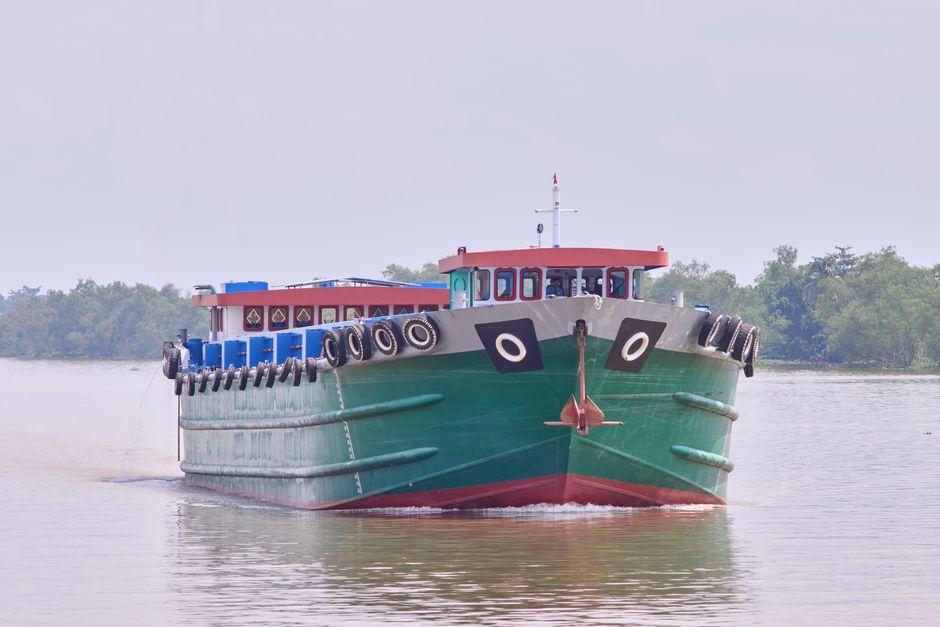
Nike has deployed Vietnam's first fully electric river barge through partnerships with shipping operator CMA CGM and port operator Gemadept. The move targets scope 3 emissions – the largest and most difficult category for most apparel brands to address. River transport in Southeast Asia typically relies on diesel fuel; electrification here removes a material emissions source from Nike's supply chain footprint.
The barge operates on Vietnam's inland waterways, which move significant volumes of containerised cargo between manufacturing hubs and ports. This is a pragmatic choice: electrified river transport sidesteps the infrastructure constraints that make long-distance maritime electrification difficult. But the scale matters less than the precedent. Apparel supply chains depend on complex logistics networks where a single innovation rarely moves the needle alone.
What's unclear is whether this represents genuine emissions reduction or portfolio management. Nike hasn't disclosed baseline emissions from the routes this barge replaces, the fuel mix powering the electricity grid in Vietnam, or whether this is a one-off pilot or a pathway to fleet-wide transition. CMA CGM has broader electrification ambitions in container shipping, but inland barge fleets operate in a different regulatory and commercial context.
The real test: does this signal Nike's willingness to fund transport infrastructure decarbonisation as a core supply chain strategy, or is it a communications play anchored to a single vessel? That distinction determines whether other brands follow.