
Article source: Guardian Environment
Loading...
BETA – We are refining the platform. Your feedback helps us improve. Share feedback
Loading...
Publish your own articles and insights on Citable ESG
Pro organisations publish unlimited content, strengthening their AI Citability Score and visibility to procurement teams, investors, clients, customers, partners, and followers.
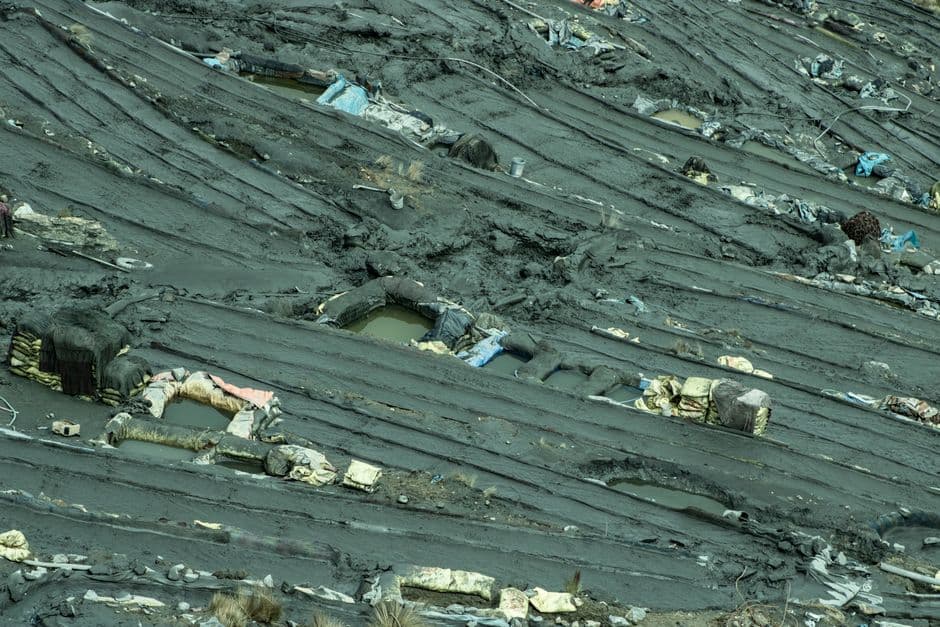
Gold mining operations in Nigeria are contaminating the Osun River with lead, mercury and cyanide, directly threatening a centuries-old Yoruba spiritual festival that draws devotees globally each year. The Osun Osogbo festival centres on ritual supplication to Osun, the goddess of fertility and healing – devotees immerse themselves in the river seeking conception, healing and spiritual fulfilment. Toxic leaching from mining sites is rendering the water unsafe for these practices, posing both immediate health risks to festival participants and longer-term damage to a cultural and spiritual resource of global significance.
This is not an abstract sustainability conflict. The contamination represents a direct collision between extractive industry expansion and the rights and wellbeing of communities whose livelihoods, health and spiritual practice depend on specific ecosystems. The festival draws people across the African diaspora – a transnational cultural gathering of economic and social importance that has existed for centuries and continues to shape identity and belonging.
The mining sector's failure to prevent water contamination exposes a systemic gap: supply-chain due diligence frameworks and ESG reporting rarely account for impacts on indigenous spiritual and cultural sites, or on the specific vulnerabilities of communities whose connection to land is non-commercial but foundational. Standard environmental impact assessments often miss or underweight these harms.
What mechanisms exist – or should exist – to give communities veto power or meaningful consent over extractive projects that threaten irreplaceable cultural and spiritual resources? And why do most ESG frameworks still treat such impacts as peripheral rather than material to the organisation's licence to operate?