
Loading...
BETA – We are refining the platform. Your feedback helps us improve. Share feedback
Loading...
Publish your own articles and insights on Citable ESG
Pro organisations publish unlimited content, strengthening their AI Citability Score and visibility to procurement teams, investors, clients, customers, partners, and followers.
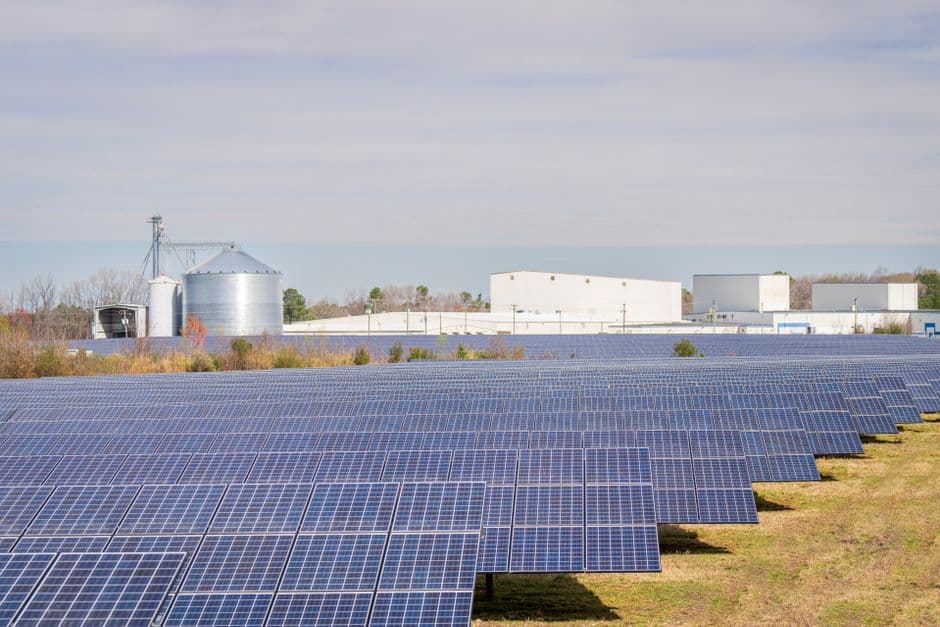
The Trump administration has effectively terminated a rural solar programme that provided farmers with a practical route to income diversification and energy independence. The scheme, which offered financial support for on-farm solar installations, represented one of the few accessible pathways for agricultural communities to participate in renewable energy deployment.
For farmers operating on thin margins, rooftop or ground-mounted solar can generate a reliable revenue stream through power purchase agreements or reduced energy bills. The programme's collapse removes that option precisely when rural economic vulnerability is acute. Agricultural debt levels remain historically elevated, and commodity price volatility continues to pressure farm profitability.
This is not a minor policy adjustment. Rural electrification and agricultural resilience are material concerns for food security and climate adaptation, particularly as extreme weather patterns intensify. The loss of this programme shifts the burden of climate transition costs away from federal policy and onto individual farmers – those least positioned to absorb the capital expenditure independently.
What remains unclear is whether the termination is permanent or whether incoming congressional pressure, state-level initiatives, or private sector alternatives will partially fill the gap. The practical question facing rural stakeholders now: which states or private lenders will step in to finance farm-scale solar, and at what cost? The economics of small-scale solar deployment on agricultural land remain marginal without subsidy support.