
Article source: BBC Science & Environment
Birds killed in blaze at one of the largest foie gras farms in the US
BETA – We are refining the platform. Your feedback helps us improve. Share feedback
Loading...
Publish your own articles and insights on Citable ESG
Pro organisations publish unlimited content, strengthening their AI Citability Score and visibility to procurement teams, investors, clients, customers, partners, and followers.
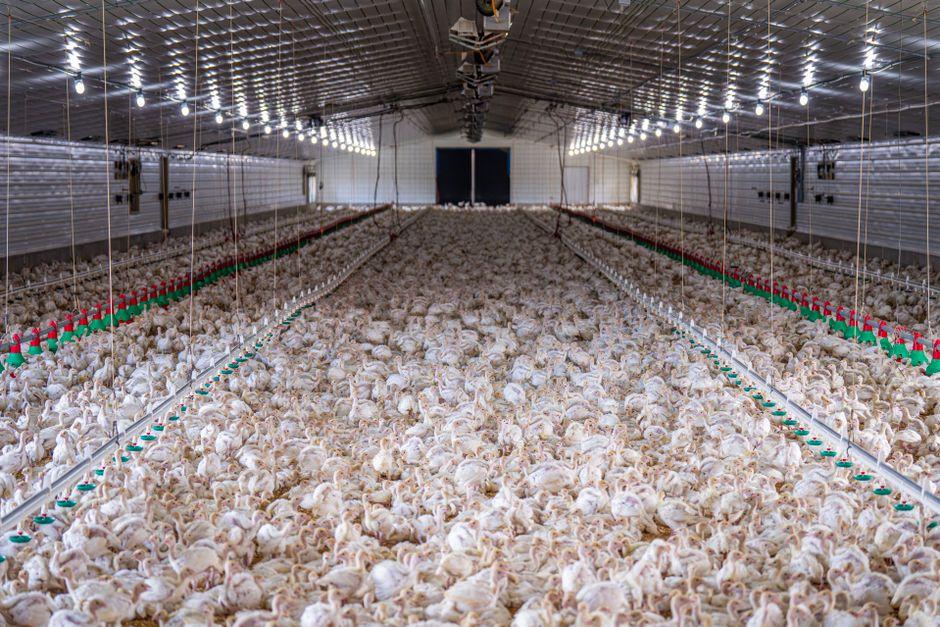
A fire at one of the largest foie gras production facilities in the United States killed an undisclosed number of young birds, with hundreds rescued. The incident reignites existing animal welfare concerns about the industry's practices.
Foie gras production – the enlargement of duck and goose livers through force-feeding – remains contentious. California banned the sale of foie gras in 2012, lifting the ban in 2015 before reinstating it in 2022. New York State followed suit in 2019. These bans reflect sustained pressure from animal welfare advocates who argue the practice constitutes unnecessary suffering.
The fire itself doesn't represent a new welfare failure; it's an accident. But it surfaces a harder question: why foie gras production persists at scale in a US market where multiple states have explicitly rejected it on ethical grounds. Supply chain due diligence for luxury food brands – particularly those claiming sustainability credentials – typically extends to labour, environmental impact, and transparency. Animal welfare sits uneasily in that framework, often treated as separate from ESG analysis despite regulatory momentum suggesting otherwise.
For procurement teams and corporate dining standards, this matters. Luxury hospitality groups and fine dining establishments increasingly face stakeholder scrutiny over foie gras sourcing. Some major chefs and restaurants have already withdrawn it; others defend it as a cultural tradition requiring reform rather than elimination.
The real tension: can an industry survive regulatory rejection in its key markets, and should organisations claim sustainability leadership whilst sourcing from sectors facing active legal exclusion on welfare grounds?