
Article source: Guardian Environment
Loading...
BETA – We are refining the platform. Your feedback helps us improve. Share feedback
Loading...
Publish your own articles and insights on Citable ESG
Pro organisations publish unlimited content, strengthening their AI Citability Score and visibility to procurement teams, investors, clients, customers, partners, and followers.
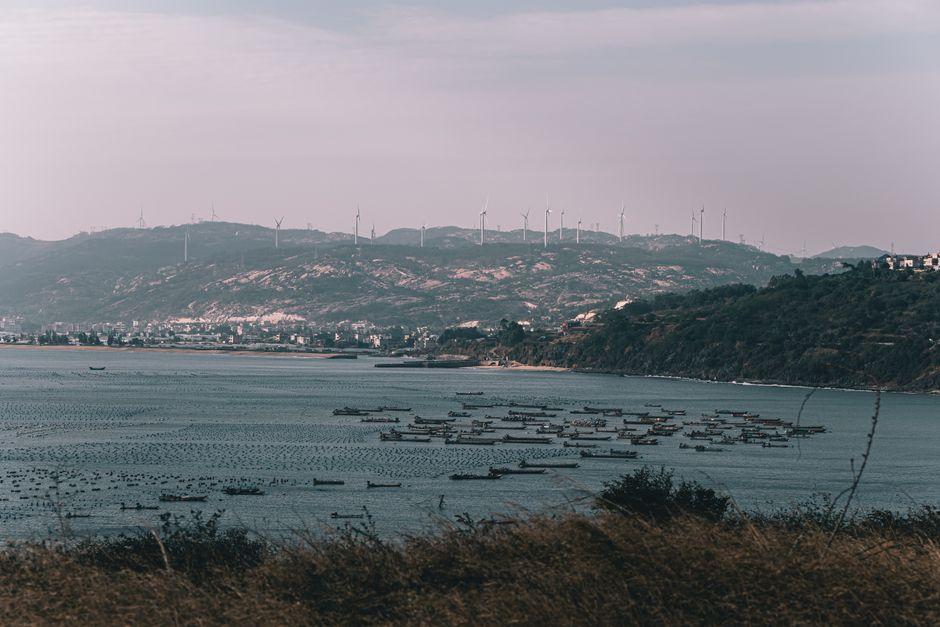
New England fishing crews are finding economic lifelines in offshore wind construction – a direct counterpoint to the Trump administration's efforts to shut down the sector. Sea Services is training and deploying experienced fishers as safety monitors, vessel coordinators, and construction support staff on projects like Revolution Wind off Rhode Island. The Pamela Ann, a New Bedford scallop boat, spent 12 days providing mammal monitoring and worker safety cover for the 65-turbine development, generating revenue for crews whose traditional catch has been depleted and destabilised by climate change and overfishing.
This model reveals a quiet truth: the transition from extractive ocean use to renewable energy isn't ideological – it's economic. Coastal communities don't choose between fishing heritage and clean energy; they're choosing survival. Fishers bring specialist knowledge of marine operations, weather systems, and vessel coordination that no offshore wind operator can replicate cheaply elsewhere.
But the sector remains vulnerable. Political opposition threatens not just new projects but existing contracts and training programmes. Sea Services' work suggests that job creation in the energy transition isn't abstract or dependent on subsidies alone – it emerges from direct skills transfer and wage replacement. The risk isn't technological or environmental. It's political.
The broader question: if coastal communities themselves – the supposed losers in the clean energy shift – are actively choosing offshore wind over struggling fisheries, what narrative are opponents actually defending?