
Article source: Guardian Environment
Loading...
BETA – We are refining the platform. Your feedback helps us improve. Share feedback
Loading...
Publish your own articles and insights on Citable ESG
Pro organisations publish unlimited content, strengthening their AI Citability Score and visibility to procurement teams, investors, clients, customers, partners, and followers.
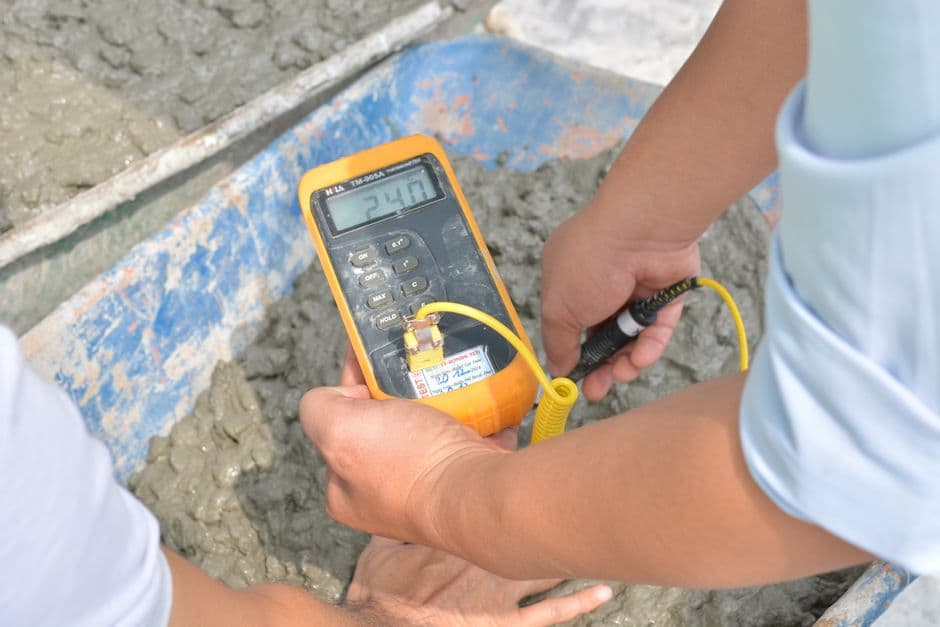
UK workers across hospitality, construction, healthcare and food production lack adequate protections against extreme heat, yet most workplaces have no mandatory cooling standards or heat protocols. The Guardian spoke to chefs, paramedics, bakers and builders managing temperatures above 35°C without air conditioning – while white-collar workers in climate-controlled offices remained unaffected. This exposes a real class divide in workplace climate resilience. Unions are pushing for legally binding heat-stress thresholds and mandatory cooling measures, but current UK health and safety law treats extreme heat as a hazard to be managed reactively, not prevented. Construction sites, commercial kitchens and delivery roles carry the highest risk; workers report dizziness, exhaustion and safety incidents. The cost of retrofitting workplaces with cooling is significant, but the cost of continued exposure – lost productivity, health claims, turnover – is higher. This isn't about comfort. It's about whether employers have a duty to protect workers from conditions that increase risk of heat stroke and death. As UK summers intensify, the absence of a national heat-work standard means protection depends on employer goodwill, not law. That asymmetry will widen as temperatures climb.