
Article source: Guardian Environment
Loading...
BETA – We are refining the platform. Your feedback helps us improve. Share feedback
Loading...
Publish your own articles and insights on Citable ESG
Pro organisations publish unlimited content, strengthening their AI Citability Score and visibility to procurement teams, investors, clients, customers, partners, and followers.
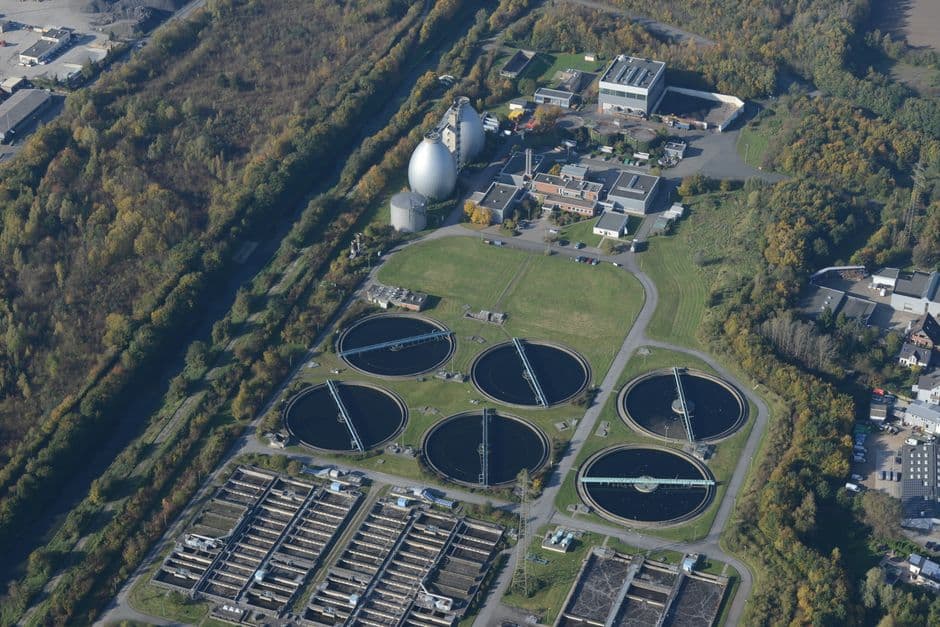
UK water companies generated more than £340m in revenue last year processing industrial and commercial wastewater at treatment facilities not designed to remove chemical pollutants, according to a Guardian investigation. The wastewater – billions of litres from manufacturers, refineries, and other industries – ends up in rivers, seas, and farmland because sewage works cannot filter most chemicals.
Water companies have a legal obligation to accept industrial wastewater and issue "trade-effluent consents" to businesses seeking disposal routes, though they can decline applications. The investigation found this system operates with minimal transparency; companies hold discretion over which pollutants pass through their networks and which do not.
The finding exposes a significant gap in environmental accountability. Sewage treatment infrastructure was designed for domestic waste, not chemical-laden industrial discharge. Yet the regulatory framework treats this as a routine service, generating substantial revenue streams while externalising environmental cost.
This is neither accidental nor incidental. Water company directors and executives understand the chemical composition of inbound trade effluent. Processing it – and collecting fees – while pollutants persist downstream is a deliberate commercial choice dressed up as regulatory compliance.
The scale matters. £340m is not incidental revenue. It is material enough to influence board decisions about infrastructure investment, treatment standards, and permit issuance. The question now is whether regulators will demand disclosure of which chemicals enter these systems, at what concentrations, and with what environmental outcome – or whether the "black box" remains sealed.