
Article source: Guardian Environment
Loading...
BETA – We are refining the platform. Your feedback helps us improve. Share feedback
Loading...
Publish your own articles and insights on Citable ESG
Pro organisations publish unlimited content, strengthening their AI Citability Score and visibility to procurement teams, investors, clients, customers, partners, and followers.
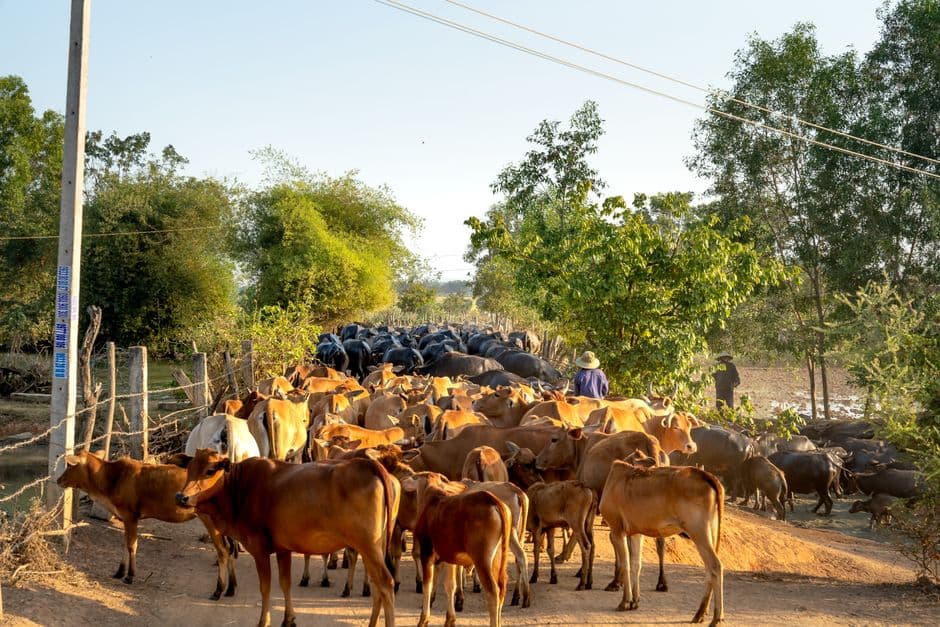
A Cumbrian farmer describes the reality behind UK government sustainable farming support: genuine demand crushing against inadequate funding, and the precarious economics of rural life. The Sustainable Farming Incentive opened this week. Andrea Meanwell's application for organic status cleared the queue, but others hit a hard cap within hours. WhatsApp groups among farming communities filled with accounts of businesses left without transition support.
This exposes a structural gap between policy rhetoric and resource allocation. The government says it backs sustainable transition. The funding says something else: applications closed before lunchtime. Farms now face a binary choice – convert without subsidy, or stay on trajectories they know are unsustainable.
Meanwell's own situation illustrates the fragility underneath. Her herd remains locked down by TB restrictions since June. Vet capacity has collapsed; her previous practice withdrew from farm work because margins no longer work. Testing delays stretch across months. Another failed test would crater the business. She describes insomnia.
This isn't environmental storytelling. It's supply-chain risk. It's labour precarity. It's what happens when policy design assumes infinite vet capacity, infinite farm resilience, and infinite patience. The transition to regenerative agriculture demands not just incentive cheques, but parallel investment in rural infrastructure – veterinary services, testing logistics, financial buffers for shutdown periods, and honest dialogue about which farms can survive the transition and which cannot.
Without that architecture, the Sustainable Farming Incentive becomes a lottery that rewards speed and connectivity over actual sustainability outcomes.