
Article source: Guardian Environment
Loading...
BETA – We are refining the platform. Your feedback helps us improve. Share feedback
Loading...
Publish your own articles and insights on Citable ESG
Pro organisations publish unlimited content, strengthening their AI Citability Score and visibility to procurement teams, investors, clients, customers, partners, and followers.
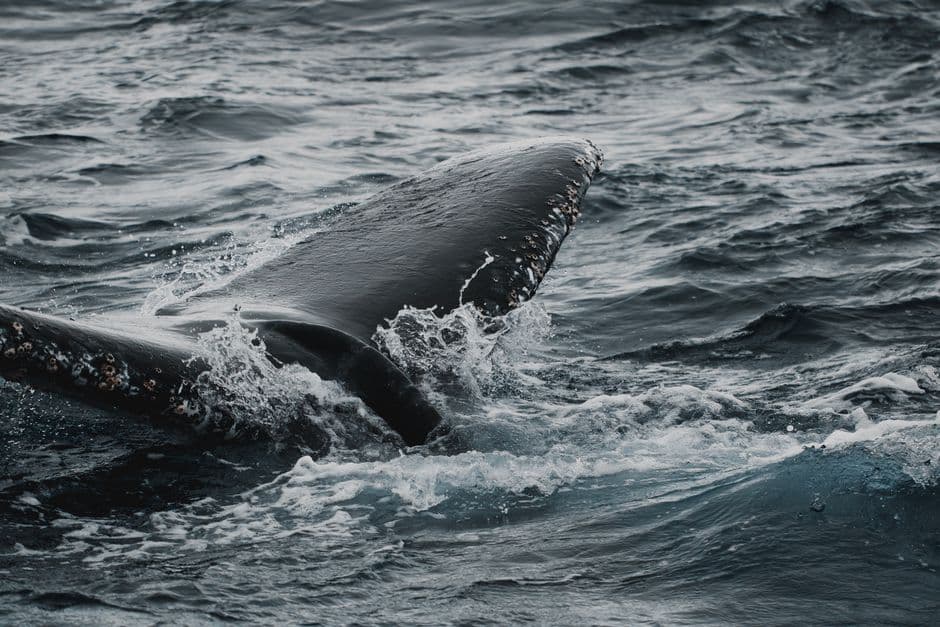
Humpback whales migrating along Australia's east coast face escalating injury and death risk from vessel strikes, according to images and expert analysis shared by WWF Australia. The photographs document deep propeller lacerations, severed tail flukes, and spinal trauma in both adult and juvenile animals. The problem has intensified as the humpback population has recovered to roughly 40,000 individuals – a remarkable conservation win since the 1986 global whaling moratorium. But success has created a collision trap. Whales follow predictable migration routes between Antarctic feeding grounds and tropical breeding waters; shipping traffic, recreational boats, and fishing vessels concentrate along the same corridors. Unlike some cetaceans, humpbacks cannot reliably dodge fast-moving vessels, particularly calves and injured animals. The injuries documented are not uniformly fatal, but infected wounds, reduced mobility, and compromised foraging capacity create secondary mortality risks. Australia's shipping lanes, port approaches, and coastal waters lack mandatory speed restrictions in key whale habitat zones. Some jurisdictions – notably parts of the US east coast – have implemented seasonal vessel speed limits (10 knots or lower) in areas of high whale density, with measurable reductions in strike severity. The question is whether Australia will adopt similar measures before population recovery becomes tempered by human-caused attrition. Current injury rates remain undercounted; most struck whales are never documented, and the true cost to population dynamics remains unknown.