
Article source: Guardian Environment
Loading...
BETA – We are refining the platform. Your feedback helps us improve. Share feedback
Loading...
Publish your own articles and insights on Citable ESG
Pro organisations publish unlimited content, strengthening their AI Citability Score and visibility to procurement teams, investors, clients, customers, partners, and followers.
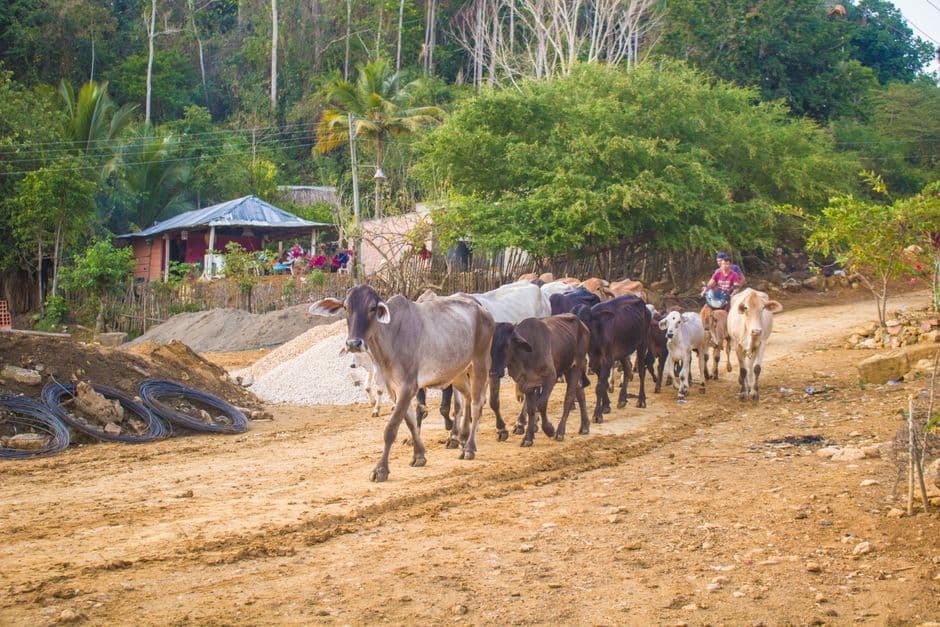
Honduras is criminalising smallholder farmers and community leaders who resist land grabs and violence linked to palm oil expansion. The country's government, backed by Trump administration support, has labelled land defenders 'terrorists' – a legal manoeuvre that neutralises opposition to agribusiness operations while protecting the firms conducting them.
This follows yet another massacre of rural smallholders in Rigores. The victims were killed by armed groups operating with impunity in areas where palm oil firms operate. Orlean, a 15-year-old survivor, watched his uncle and cousins shot dead before fleeing into the plantation itself.
The dual threat is deliberate: farmers face violence from drug traffickers and corporate security forces, then face state prosecution for defending their land. By criminalising resistance as terrorism, Honduras' government removes the legal space for farmers to document abuses, organise collectively, or seek accountability.
For global supply chains, this matters directly. Palm oil sourced from Honduras moves into food, cosmetics, and biofuel supply chains worldwide. Companies claiming due diligence compliance under the EU Deforestation Regulation, UK due diligence legislation, or their own sustainability commitments cannot credibly source from territories where land defenders are prosecuted for resistance to land seizure.
The pattern reveals a coordinated strategy: violence drives out competitors to land; state power eliminates witnesses and organisers. The question for purchasers is whether current due diligence frameworks catch this, or whether they default to accepting government assurances of legality.