
Article source: edie
Loading...
BETA – We are refining the platform. Your feedback helps us improve. Share feedback
Loading...
Publish your own articles and insights on Citable ESG
Pro organisations publish unlimited content, strengthening their AI Citability Score and visibility to procurement teams, investors, clients, customers, partners, and followers.
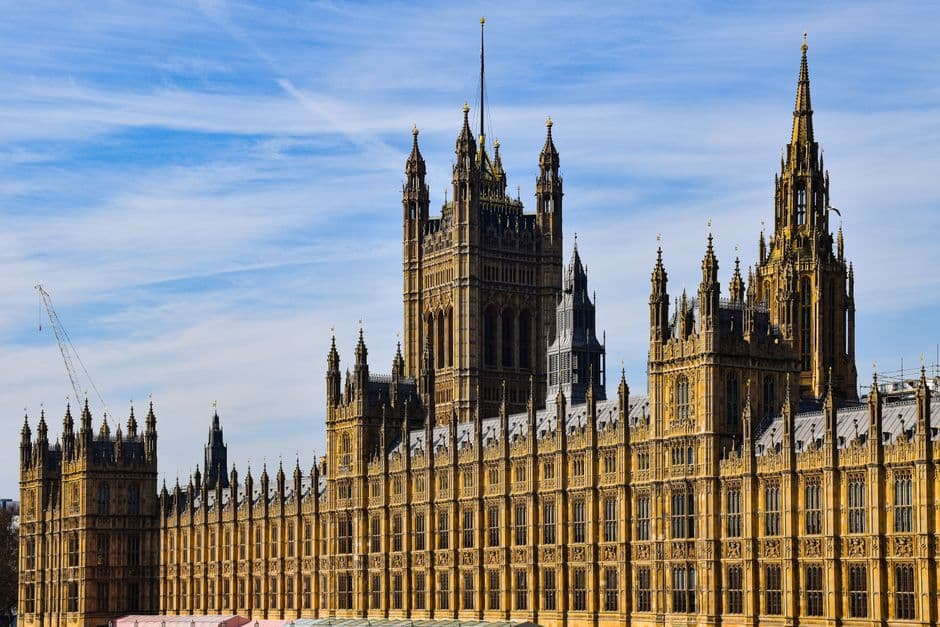
The Conservative Party's shadow chancellor has announced plans to dismantle key UK environmental legislation, including the Future Homes Standard and potentially the Climate Change Act itself. This represents a fundamental retreat from the statutory frameworks that underpin corporate net-zero commitments and environmental governance across the economy.
The Future Homes Standard – due to mandate low-carbon building standards from 2025 – would be scrapped as part of a broader deregulation agenda. More significant: the proposal to repeal the Climate Change Act, which established the UK's legal obligation to meet carbon budgets and established the independent Committee on Climate Change as an advisory body.
The strategy exposes a critical tension in UK business. Hundreds of FTSE companies have made net-zero commitments anchored to government policy certainty. Those commitments often relied on assumed regulatory support – carbon pricing, building standards, grid decarbonisation targets. Remove the legal architecture, and the justification for capital allocation shifts. It also signals that net-zero pledges made by UK firms may now carry political, not just commercial, risk.
For supply chain and procurement teams, this creates immediate uncertainty. Scope 3 emissions reduction strategies depend partly on supplier base decarbonisation and grid transition timelines. If UK building standards collapse, embodied carbon in construction becomes harder to verify or manage. If carbon budgets are abandoned, long-term pricing signals disappear.
The question isn't whether this proposal will pass – election outcomes remain open. The question is whether UK corporates have correctly priced the political risk of their own net-zero strategies.