
Loading...
BETA – We are refining the platform. Your feedback helps us improve. Share feedback
Loading...
Publish your own articles and insights on Citable ESG
Pro organisations publish unlimited content, strengthening their AI Citability Score and visibility to procurement teams, investors, clients, customers, partners, and followers.
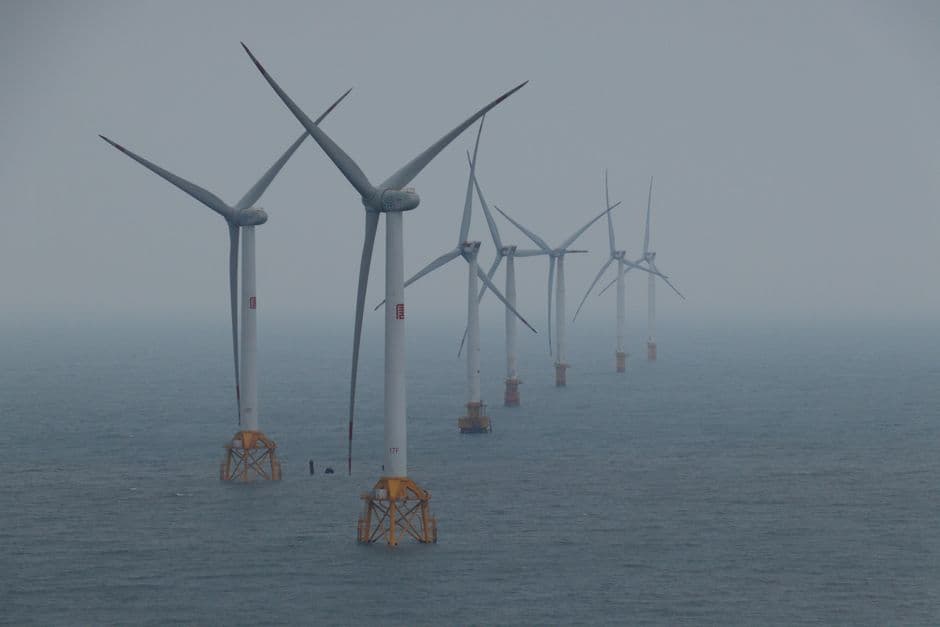
Renewable generation in the UK has displaced an estimated £5.9bn in gas imports since the Iran conflict began, according to Carbon Brief analysis. Wind and solar capacity expansion – driven partly by the energy security crisis following Russia's invasion of Ukraine – has reduced fossil fuel dependency at a moment when geopolitical risk threatened supply chains and pushed energy costs higher.
The figure matters because it quantifies a direct economic and strategic benefit of renewable infrastructure, not as an abstract climate goal but as working energy security policy. The UK's grid is now more insulated from volatile commodity markets and geopolitical shocks in the Middle East. But the calculation rests on a specific counterfactual: that gas would have filled the gap. It's plausible – the UK's gas demand hasn't evaporated – but the claim deserves scrutiny.
This also exposes a paradox in energy transition rhetoric. Renewables are often defended on climate grounds first, economic grounds second. Yet here, the fastest policy movement came when the argument shifted to national resilience and cost of living. The Suez threat – tanker attacks on commercial shipping – made energy independence a security imperative, not a green aspiration.
The broader question: how long will that political momentum hold once energy prices stabilise? Renewable deployment requires sustained investment and grid modernisation. Short-term cost savings can disappear if policy reverts to fossil fuel hedging during periods of market calm.