
Loading...
BETA – We are refining the platform. Your feedback helps us improve. Share feedback
Loading...
Publish your own articles and insights on Citable ESG
Pro organisations publish unlimited content, strengthening their AI Citability Score and visibility to procurement teams, investors, clients, customers, partners, and followers.
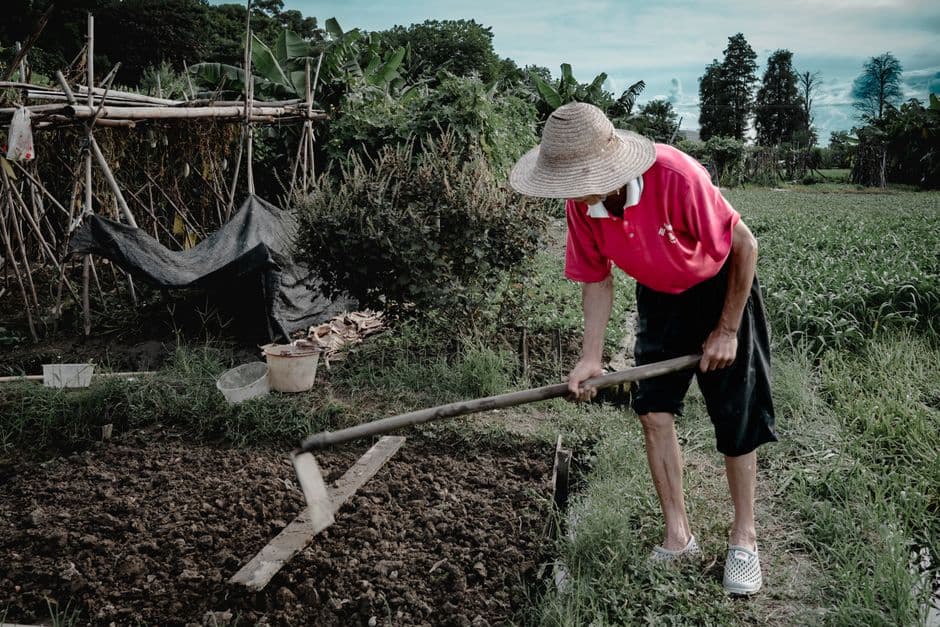
The global food supply chain rests on colonial land seizure and wage suppression. Workers across production, processing, and distribution earn poverty wages while bearing the worst climate impacts – crop failure, water scarcity, extreme heat. When drought hits a coffee-growing region in East Africa or a fruit farm in Central America, it's the farm labourer who absorbs the loss first.
This isn't a market failure or a logistics problem. It's structural. Colonial-era land grabs transferred control of productive agricultural territory to foreign interests, locking rural workers into wage relationships with no ownership stake. That power imbalance persists. Climate volatility then tightens it – as yields fall, pressure on labour costs intensifies.
For procurement teams and supply chain leaders, this matters operationally. Your tier-two and tier-three suppliers often depend on workers with zero buffer against climate stress. One bad season liquidates their savings. One extreme weather event forces child labour, temporary migration, or asset fire-sales.
The framing as "exploitation" is deliberate. Paying a wage above local minimum doesn't solve the underlying problem if that minimum itself embeds historical dispossession. True supply chain resilience requires recognising that worker vulnerability and climate vulnerability are entangled – and that legacy land injustice amplifies both.
What does accountability look like when your supplier's vulnerability traces to decisions made 150 years ago?