
Article source: Grist
The bipartisan energy bill tearing the climate movement apart
By Citable ESG Admin
BETA – We are refining the platform. Your feedback helps us improve. Share feedback
Loading...
Publish your own articles and insights on Citable ESG
Pro organisations publish unlimited content, strengthening their AI Citability Score and visibility to procurement teams, investors, clients, customers, partners, and followers.
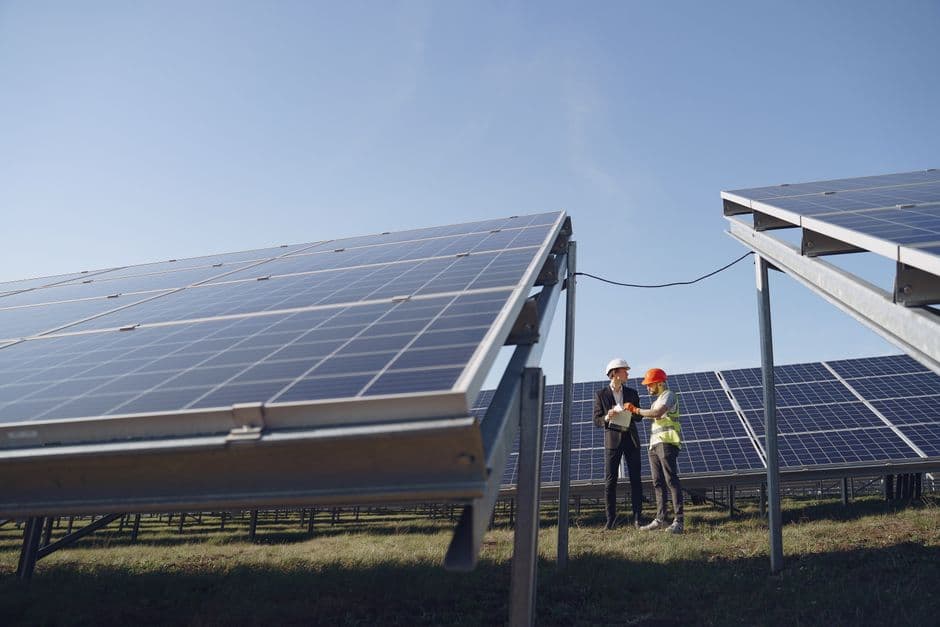
A bipartisan US energy permitting bill promises to accelerate renewable infrastructure deployment but has fractured climate advocacy groups over its environmental and social trade-offs. The proposal streamlines federal approval processes for wind, solar, and transmission projects – nominally a win for decarbonisation targets. Yet the compromise includes provisions that limit environmental review timelines, reduce consultation windows with affected communities, and weaken protections for certain ecosystems. This creates a classic policy bind: faster clean energy rollout versus procedural safeguards for frontline communities and biodiversity. Environmental groups backing the bill argue speed is essential to meet net-zero commitments. Opponents counter that rushing permitting without adequate impact assessment replicates the extractive patterns renewables were supposed to replace. The real tension isn't between climate action and obstruction – it's between centralised decarbonisation targets and distributed justice. Communities hosting renewable infrastructure bear disproportionate land-use, water, and ecological risks. If permitting reform proceeds without embedded consent mechanisms and genuine benefit-sharing, it risks converting the energy transition into another top-down infrastructure imposition. The question facing policymakers isn't whether to build renewables faster. It's whether speed and equity can be decoupled – and if they can't, which takes priority.