
Article source: ESG Today
Loading...
BETA – We are refining the platform. Your feedback helps us improve. Share feedback
Loading...
Publish your own articles and insights on Citable ESG
Pro organisations publish unlimited content, strengthening their AI Citability Score and visibility to procurement teams, investors, clients, customers, partners, and followers.
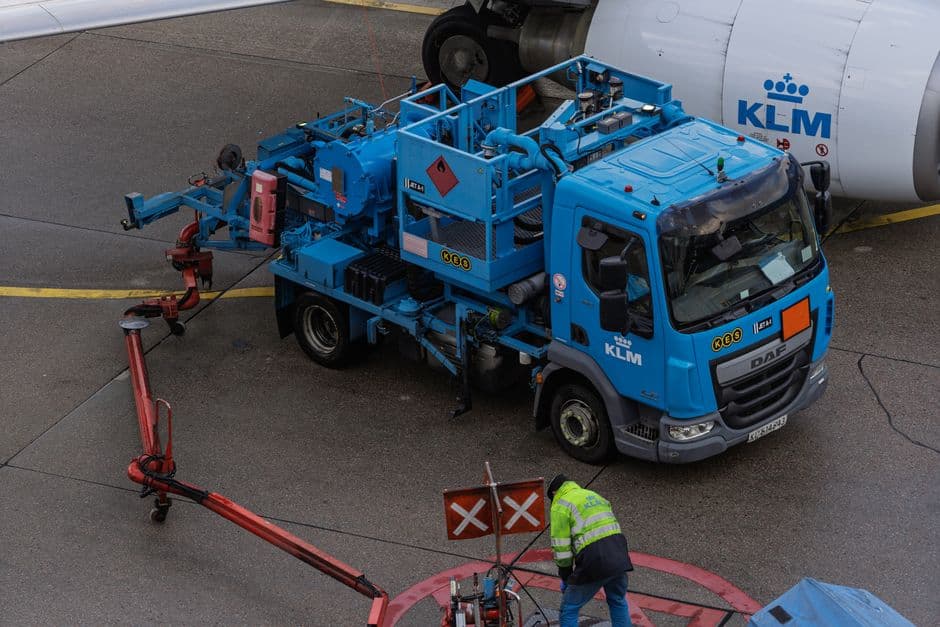
Germany, Austria and Luxembourg are committing over €2 billion to develop the eSAF (electricity-based sustainable aviation fuel) market. The three governments announced a new funding initiative to accelerate production capacity and commercial deployment of e-fuels for aviation – a sector that currently accounts for roughly 3% of global emissions and faces regulatory pressure to decarbonise.
eSAF production uses renewable electricity to generate hydrogen, which is then combined with captured or biogenic carbon to create drop-in fuels compatible with existing aircraft and infrastructure. Unlike conventional biofuels, e-SAF avoids competition with food crops and land-use concerns, though production efficiency remains lower than conventional fuel pathways.
This move reflects EU ambition under the ReFuelEU Aviation initiative, which mandates 70% of jet fuel to meet sustainability criteria by 2050. The funding signals that European governments see eSAF, not solely biofuels, as essential to meeting aviation decarbonisation targets.
But the capital commitment matters less than deployment speed. €2 billion is modest against aviation's capital requirements – major carriers operate with multi-billion-euro budgets. The real test is whether these funds catalyse private investment and whether production costs fall faster than current trajectories suggest. eSAF remains 3–4 times more expensive than conventional jet fuel.
The announcement also raises a harder question: if EU governments are funding eSAF, should they simultaneously restrict aviation carbon offsets and lower-cost alternatives like SAF blending mandates? Or is this a complement-not-replace strategy that will ultimately cost EU taxpayers more than direct emissions regulation?