
Article source: Guardian Environment
Loading...
BETA – We are refining the platform. Your feedback helps us improve. Share feedback
Loading...
Publish your own articles and insights on Citable ESG
Pro organisations publish unlimited content, strengthening their AI Citability Score and visibility to procurement teams, investors, clients, customers, partners, and followers.
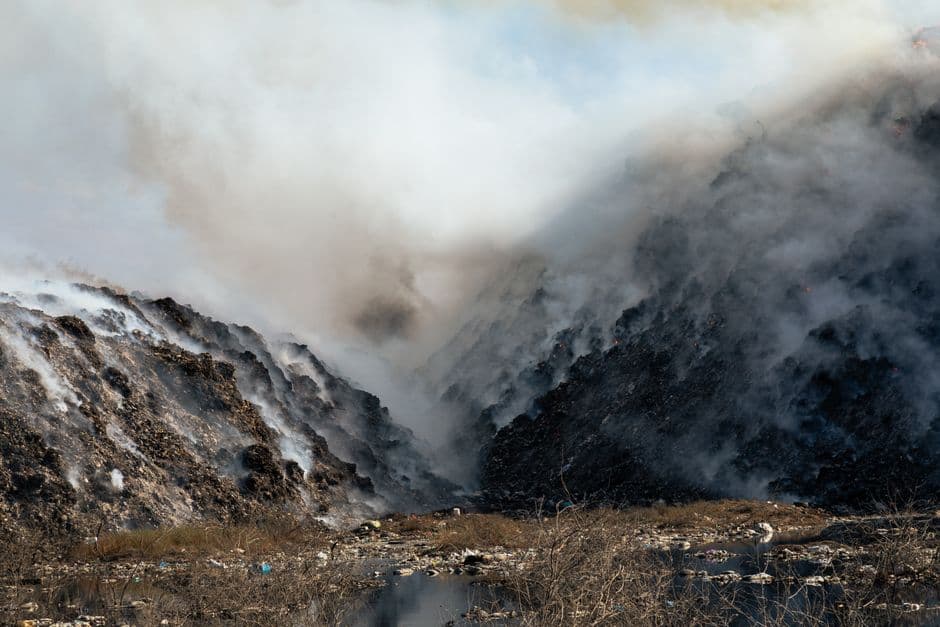
Željka Šikić led 40,000 residents to parliament to demand action on illegal dumping in Gospić, a Croatian town where an estimated 35,000 tonnes of waste – some hazardous – was illegally deposited between 2022 and 2024. One dump site sat 50 metres from residential homes.
This is not a story about corporate sustainability reports or voluntary commitments. It's about what happens when communities lose faith in institutions to enforce basic environmental protection.
Gospić's residents organised because local and national authorities failed to stop the dumping or remediate the sites. The campaign crystallises a core tension in ESG discourse: companies and governments publish net-zero targets and waste reduction strategies while illegal disposal continues in plain sight, often in regions with weaker regulatory capacity or political will.
Waste management sits at the intersection of environmental compliance and social justice. Hazardous waste near homes is a health risk – disproportionately borne by people without resources to relocate. It's also a supply chain issue: if waste from elsewhere was transported to Gospić illegally, that reveals failures in tracking and accountability across disposal networks.
The campaign's presence at parliament signals that grassroots pressure, not voluntary frameworks, moved this issue. That's worth noting for organisations auditing their waste disposal partners or claiming circular economy credentials. Verification of third-party waste handlers matters. So does transparency about where waste actually goes.
The question isn't whether Gospić's residents have a legitimate grievance – they do. It's whether ESG reporting and due diligence processes catch these failures before 35,000 tonnes accumulate.