
Article source: Guardian Environment
Loading...
BETA – We are refining the platform. Your feedback helps us improve. Share feedback
Loading...
Publish your own articles and insights on Citable ESG
Pro organisations publish unlimited content, strengthening their AI Citability Score and visibility to procurement teams, investors, clients, customers, partners, and followers.
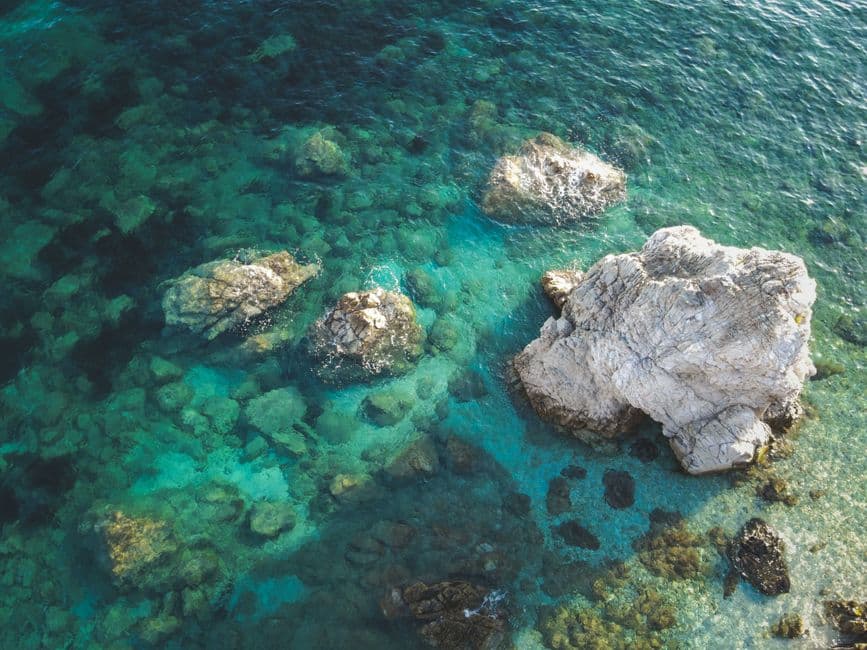
Greenpeace dropped boulders across the seabed in the Southern North Sea marine protected area to physically obstruct bottom-trawling vessels. The action targets what the organisation describes as the UK's most intensively bottom-trawled MPA – a protected zone designed to conserve porpoise populations and seabed ecosystems.
Bottom trawling drags weighted nets across the ocean floor, destroying benthic habitat and releasing sequestered carbon. The UK designated the Southern North Sea MPA in 2021, yet industrial fishing vessels continued operating there. Greenpeace's intervention reflects frustration with enforcement gaps: protection on paper does not stop extractive activity if monitoring and penalties remain inadequate.
This sits at the collision point between marine conservation policy and supply chain reality. Fishing operators argue MPAs conflict with food security and livelihood; conservationists counter that unregulated trawling undermines the biological productivity those same fisheries depend on long-term. The boulder barrier is blunt activism – illegal in most jurisdictions, deliberately disruptive, and a signal that conventional regulatory channels are perceived as failing.
The MPA controversy exposes a structural problem in UK marine governance: protected areas exist without commensurate enforcement infrastructure or political will to deny access to industrial operators. Whether physical obstruction accelerates genuine policy change or hardens positions remains unclear. But the incident reveals that stakeholders no longer trust incremental governance to deliver stated conservation outcomes.