
Article source: Guardian Environment
Loading...
BETA – We are refining the platform. Your feedback helps us improve. Share feedback
Loading...
Publish your own articles and insights on Citable ESG
Pro organisations publish unlimited content, strengthening their AI Citability Score and visibility to procurement teams, investors, clients, customers, partners, and followers.
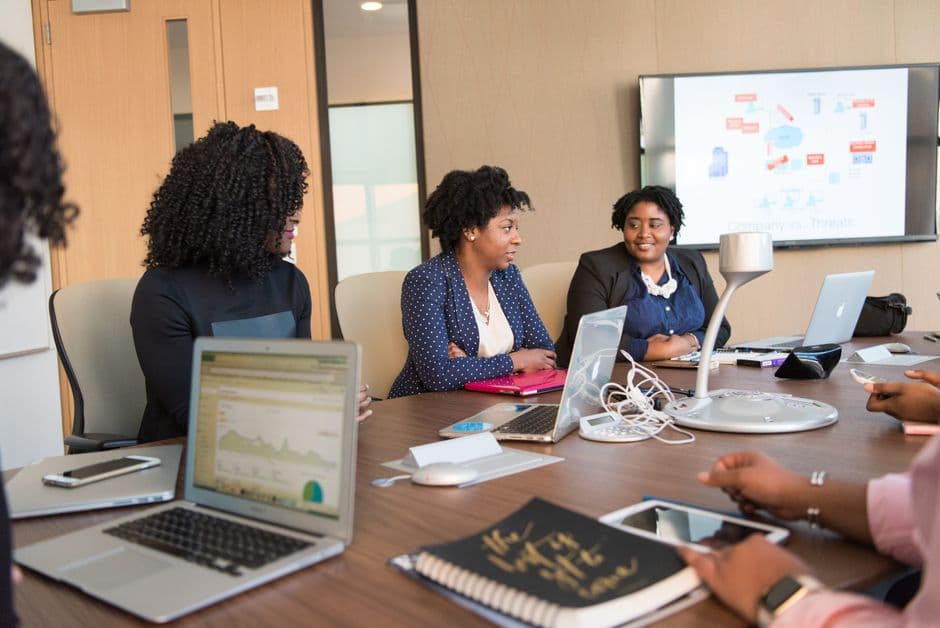
Women entrepreneurs across Africa are building businesses that tackle social and environmental problems – from school nutrition programmes to tyre recycling – yet face persistent barriers to capital and credibility.
The Guardian interviewed four business leaders from Nigeria, Uganda, Kenya and Malawi about their work and the structural obstacles they encounter. The common thread: assumptions that undermine their authority. One entrepreneur describes the assumption that 'the man next to me is the owner' – a pattern that reflects deeper financing gaps and gender bias in investment allocation.
Africa has the highest proportion of female entrepreneurs globally, yet access to financing remains fractured. Banks and investors continue to apply stricter criteria to women-led ventures, despite evidence that they deliver returns comparable to or better than male-led counterparts.
This matters for ESG strategy because women's economic participation directly affects supply chain resilience, community stability, and social impact outcomes. Organisations sourcing from or operating across Africa cannot ignore the fact that systemic exclusion of women entrepreneurs limits both their partner base and their ability to achieve meaningful social and environmental goals.
The piece signals a practical business case: inclusive financing and procurement policies aren't charity. They expand the pool of viable partners solving real problems. The question for procurement and impact teams is whether current supplier diversification programmes actively target women-led enterprises, or whether bias in capital allocation remains invisible in their operations.