
Article source: ESG Today
Masdar Issues Inaugural $600 Million Blue Bond to Fund Water-Based Clean Energy Projects
By Citable ESG Admin
BETA – We are refining the platform. Your feedback helps us improve. Share feedback
Loading...
Publish your own articles and insights on Citable ESG
Pro organisations publish unlimited content, strengthening their AI Citability Score and visibility to procurement teams, investors, clients, customers, partners, and followers.
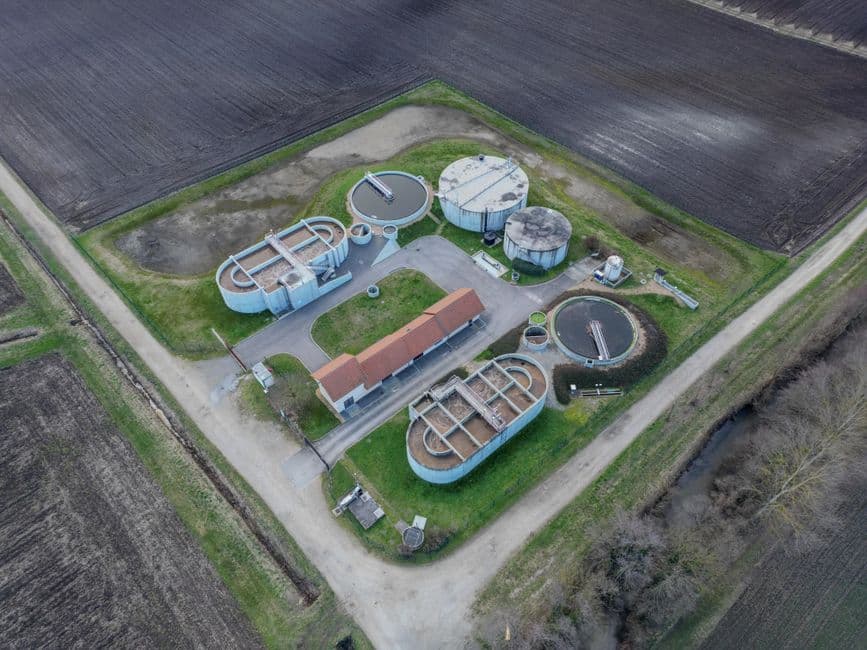
Masdar, the UAE's renewable energy developer, has issued a $600 million blue bond – its first – to finance water-focused clean energy projects. The move signals growing investor appetite for labelled debt tied to water security and resource management, a market segment that lags behind carbon-focused green bonds but attracts institutional capital increasingly attuned to water risk.
Blue bonds typically fund projects that protect or restore aquatic ecosystems, improve water treatment, or support water-energy nexus innovation. Masdar's inaugural issuance targets infrastructure that addresses water scarcity in arid regions – a material issue across the Middle East.
The scale matters. $600 million is substantial for a first-time blue bond issuance and reflects confidence among institutional investors that water-linked climate mitigation carries credit strength. But the broader story is supply-side: most renewable energy developers still rely on conventional green bonds or project finance. Water-specific labelled debt remains niche, which means pricing, covenant design, and verification standards remain inconsistent across issuers.
Masdar's issuance will be scrutinised by verification bodies and ESG asset managers for adherence to the Blue Bond Principles – the voluntary framework that governs use of proceeds and impact reporting. Without third-party certification or commitment to externally audited water-outcome metrics, a blue bond label can obscure rather than clarify additionality.
The question: will this debut attract a cohort of water-stressed utilities and energy companies to the market, or remain an outlier for developers with Masdar's scale and access to capital? That determines whether blue bonds become a material channel for water-resilience investment or stay ornamental.