
Will a new strategy help protect Northern Ireland's nature?
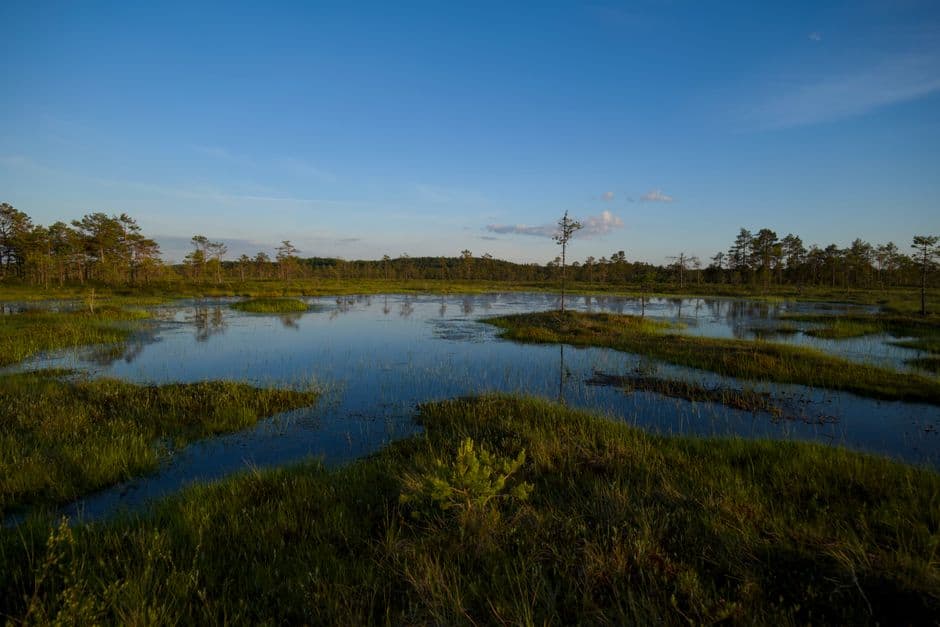
Northern Ireland's protected sites are failing to meet basic conservation standards. Forty per cent of plant and animal populations across designated areas fall short of favourable condition – the regulatory benchmark for ecological health. This gap raises a hard question about whether existing protections work, or whether the new strategy amounts to repackaging old commitments.
The issue isn't novel. Across the EU, similar patterns emerge: protected areas exist on paper but lack the funding, enforcement, or land-management practice to deliver results. Northern Ireland sits within a unique governance context – post-Brexit, with devolved environmental powers but constrained budgets. The strategy will likely centre on habitat restoration, species monitoring, and farmer engagement through agri-environment schemes.
The critical test is delivery mechanics. Do targets come with ringfenced funding? Are compliance timelines realistic? Will enforcement teeth exist, or will targets remain aspirational?
What's absent from most conservation strategies is honest accounting: what caused the 40% shortfall in the first place? If it's agricultural intensification, water pollution, or fragmented habitats, the new approach must tackle root causes, not symptoms. A strategy that avoids naming the drivers of degradation will repeat the failure cycle.
For organisations working on biodiversity outcomes – from NGOs to farming bodies – this is the moment to push for specifics on implementation, monitoring standards, and accountability mechanisms. Favourable condition isn't a slogan. It's a measurable state.