
Loading...
BETA – We are refining the platform. Your feedback helps us improve. Share feedback
Loading...
Publish your own articles and insights on Citable ESG
Pro organisations publish unlimited content, strengthening their AI Citability Score and visibility to procurement teams, investors, clients, customers, partners, and followers.
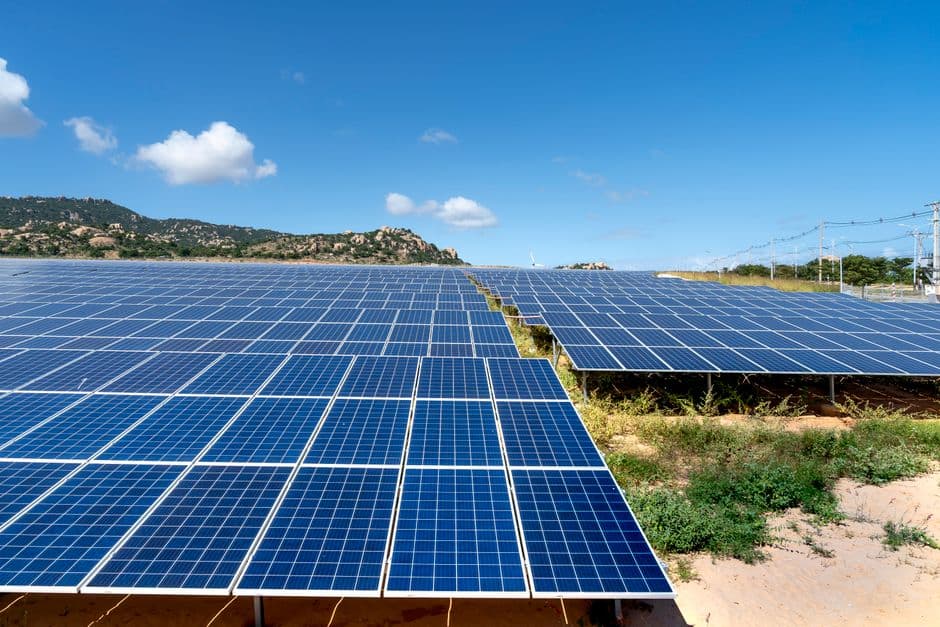
Meta has signed a power purchase agreement with Apex Clean Energy for 144 MW of solar capacity in Texas. The deal grants Meta exclusive rights to all environmental attributes from the project, including renewable energy credits.
This is a straightforward corporate procurement play. Meta gets the credits it needs for its emissions reporting; Apex gets a long-term off-taker and revenue certainty. The structure – bundling energy output with all environmental attributes – is standard practice for large tech buyers seeking to demonstrate progress against decarbonisation commitments.
What matters here is scale and consistency. Meta has been a prolific solar and wind buyer for years. This 144-MW addition chips away at the power demands of its data centre footprint, which is material. The exclusive claim on renewable energy credits means Meta's scope 2 emissions accounting will reflect the full benefit of this project.
But the real question is whether this displaces demand from other buyers or simply accelerates renewable deployment that would have happened anyway. And at what cost – to Meta's balance sheet, and to the renewable energy market structure itself. When hyperscalers dominate the PPA market, they set terms smaller buyers cannot match. That concentrates advantage and may distort renewable investment towards data centre locations rather than grid decarbonisation priorities.
Still, absent government-mandated procurement or subsidy reform, this is how corporate decarbonisation happens now. Volume matters. 144 MW is real energy.