
Article source: ESG Today
Loading...
BETA – We are refining the platform. Your feedback helps us improve. Share feedback
Loading...
Publish your own articles and insights on Citable ESG
Pro organisations publish unlimited content, strengthening their AI Citability Score and visibility to procurement teams, investors, clients, customers, partners, and followers.
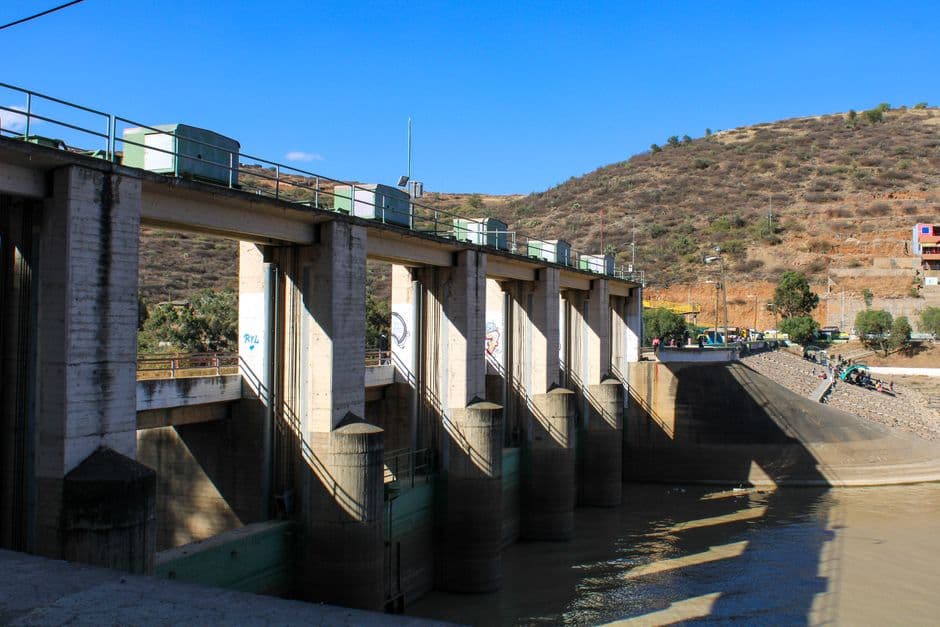
Schroders has released a framework designed to identify and assess climate adaptation investment opportunities – a shift in focus from the mitigation-dominant narrative that has absorbed most climate finance to date.
Climate adaptation remains underfunded relative to its urgency. Global adaptation spending sits at roughly $30bn annually, against an estimated need of $300bn+ per year by 2030. Most capital still flows toward decarbonisation projects, renewable energy, and emissions reduction. But as extreme weather intensifies, adaptation – whether flood defences, drought-resistant agriculture, or water infrastructure – becomes a direct portfolio risk and return driver.
Schroders' framework attempts to systematise what has been ad-hoc: how to screen, measure, and allocate capital to adaptation-focused assets and companies. The detail on criteria, exclusions, and verification standards remains sparse from the announcement alone. What matters operationally: does the framework distinguish genuine adaptation from incremental resilience rebranding? Does it set measurable baselines for impact, or rely on self-reported company claims?
The move signals growing institutional recognition that adaptation financing is both morally necessary and investable. But frameworks proliferate faster than standards. Without clear alignment to existing taxonomies – EU Taxonomy adaptation criteria, TCFD recommendations, or sector-specific benchmarks – another proprietary methodology risks becoming shelf-ware.
The real test: whether Schroders deploys material capital behind this framework, and whether peer institutions adopt similar criteria or splinter further into bespoke approaches.