
Article source: BBC Science & Environment
Loading...
BETA – We are refining the platform. Your feedback helps us improve. Share feedback
Loading...
Publish your own articles and insights on Citable ESG
Pro organisations publish unlimited content, strengthening their AI Citability Score and visibility to procurement teams, investors, clients, customers, partners, and followers.
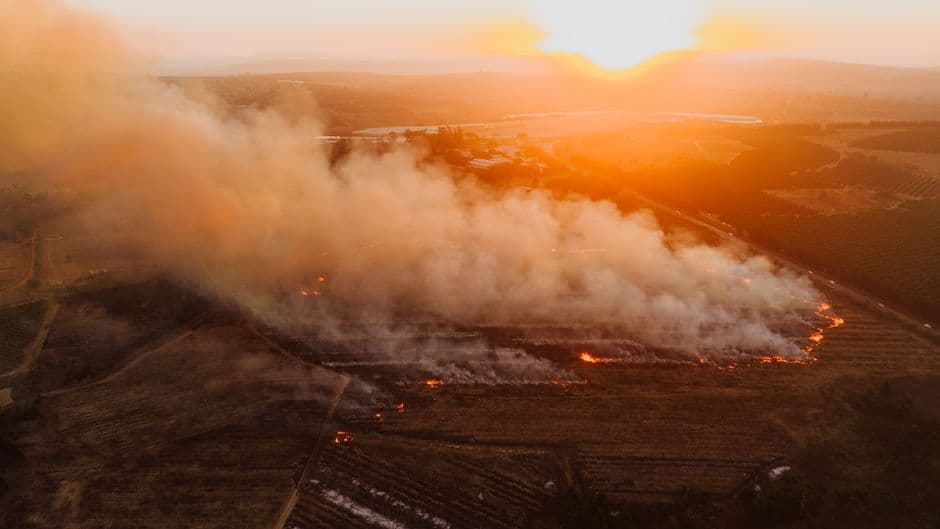
Indonesia's haze crisis has triggered over 170,000 respiratory cases, with 40,000 affecting toddlers. This is a direct outcome of uncontrolled land-use practices – primarily peatland and forest clearing for agriculture – and reveals the social cost of supply chain opacity in global commodity markets.
The severity skews toward vulnerable populations: young children lack the physiological capacity to filter particulate matter; low-income communities lack access to air quality monitoring and healthcare. Neither group opted into this risk.
For ESG practitioners, this event exposes three failures. First, scope 3 emissions accounting remains incomplete – few organisations track the air-quality damage embedded in their palm oil, timber, or pulp sourcing. Second, materiality assessments often exclude health externalities that fall outside direct operational zones, even when supply chains concentrate them. Third, stakeholder engagement in producing regions typically happens after damage is visible, not before.
Indonesia's haze is not a climate anomaly. It's an annual occurrence tied to agricultural expansion and weak land-governance enforcement. Companies sourcing from the region cannot claim ESG credibility without verifying their suppliers' land-use practices against satellite data and field audits.
The question isn't whether haze affects your supply chain – it's whether your procurement standards require suppliers to prove they don't cause it.