
Article source: Guardian Environment
Loading...
BETA – We are refining the platform. Your feedback helps us improve. Share feedback
Loading...
Publish your own articles and insights on Citable ESG
Pro organisations publish unlimited content, strengthening their AI Citability Score and visibility to procurement teams, investors, clients, customers, partners, and followers.
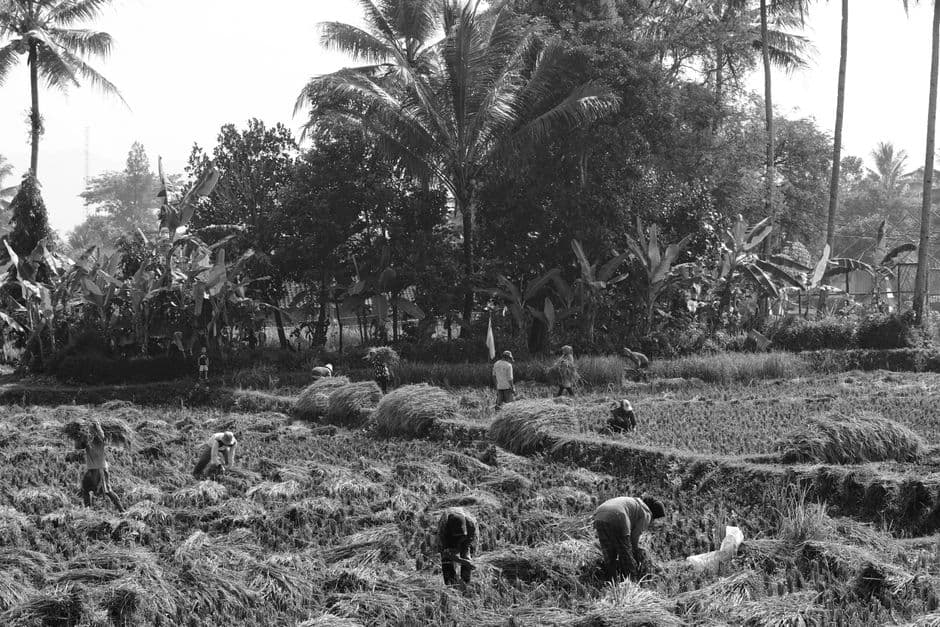
Japan's rice farmers are adopting heat-resistant crop varieties as summer temperatures threaten traditional yields. Haruki Kawasaki, a 63-year-old farmer in Shiroishi, is harvesting hinatamaru – a new rice strain bred to withstand hotter, drier conditions – after a particularly punishing season. The shift reflects a direct adaptation response to measurable climate stress: Japan has experienced consecutive years of elevated temperatures that damage conventional rice during critical growth phases.
Rice is Japan's staple crop and cultural cornerstone. Rising heat isn't marginal risk – it's reshaping agricultural viability. Hinatamaru represents one practical lever: seed varieties selected for heat tolerance, rather than yield maximisation alone. The variety's performance this season suggests the approach has immediate merit, though one successful harvest is not evidence of long-term resilience.
This is adaptation at the farm level, not systemic decarbonisation. It's necessary, but reactive. Japan's agricultural sector still depends on conventional inputs, and heat-resistant varieties alone won't solve water stress, soil degradation, or the labour shortage plaguing rural communities. Farmers adopting these new strains are managing symptoms, not addressing root cause.
The real question: are governments and seed companies investing enough in breeding programmes to stay ahead of climate volatility? Or will farmers keep chasing varieties one step behind the pace of change?