
Article source: Guardian Environment
Loading...
BETA – We are refining the platform. Your feedback helps us improve. Share feedback
Loading...
Publish your own articles and insights on Citable ESG
Pro organisations publish unlimited content, strengthening their AI Citability Score and visibility to procurement teams, investors, clients, customers, partners, and followers.
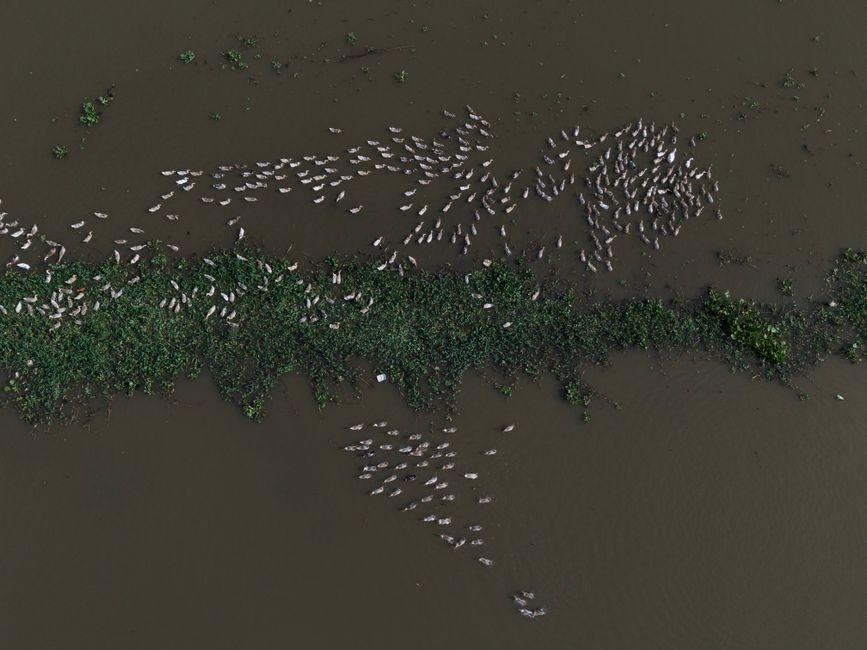
Natural England objected to a 40MW AI datacentre near Bristol on biodiversity grounds – the site sits 600 metres from one of the UK's most important wetlands for migratory birds. Weeks after that intervention, the government announced plans to abolish Natural England itself.
This is not coincidence dressed as policy timing. It's a direct signal about what happens when independent environmental bodies block development in the name of protected habitats.
The datacentre proposal threatens Avonmouth Wetland, a designated site for internationally migratory species. Natural England's role is to advise local planning authorities on exactly these conflicts. It did its job. The government's response was to threaten the adviser's existence.
This matters beyond one Bristol planning application. Infrastructure projects – datacentres, energy facilities, transport – will accelerate. Environmental governance bodies exist to enforce legal duties under UK and EU law (retained post-Brexit). When those bodies face abolition after objecting to a major project, the message to future applicants is clear: persistence and political pressure can neutralise regulatory barriers.
The timing is the story. Not because it proves malice – though the optics are terrible – but because it reveals how environmental governance works in practice. Formal independence means nothing if the independent body faces institutional destruction for exercising its mandate.
For ESG teams and procurement leaders, this raises a hard question: how do you rely on UK environmental due diligence or supply-chain habitat risk assessment when the statutory body delivering that assessment is under existential threat? That uncertainty itself becomes a business risk.