
Article source: Carbon Brief
Loading...
BETA – We are refining the platform. Your feedback helps us improve. Share feedback
Loading...
Publish your own articles and insights on Citable ESG
Pro organisations publish unlimited content, strengthening their AI Citability Score and visibility to procurement teams, investors, clients, customers, partners, and followers.
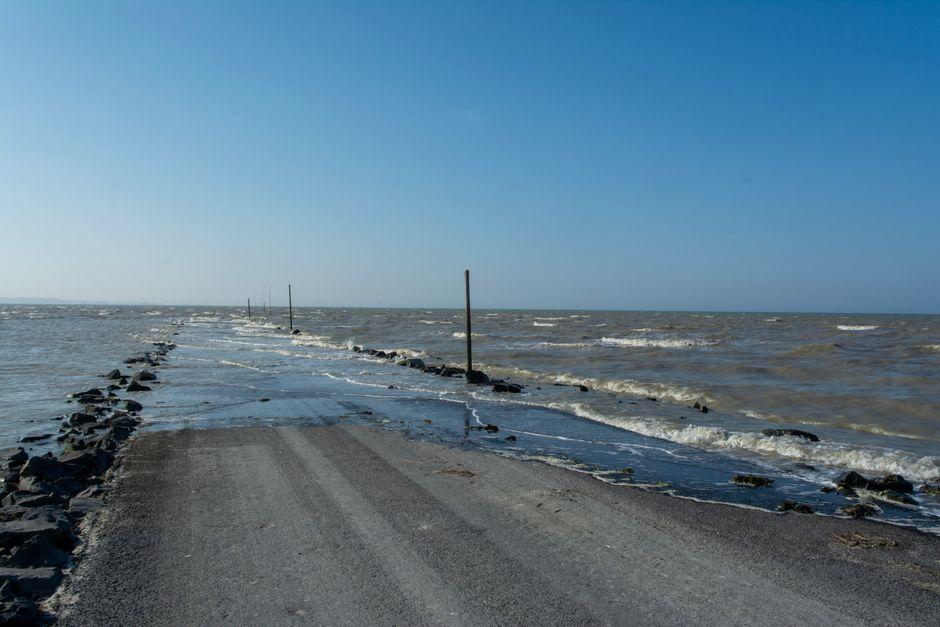
Seven million people in African coastal megacities face exposure to flooding by 2050 due to land subsidence combined with sea-level rise. The threat compounds two independent processes: cities built on soft sediments are sinking – some at rates of centimetres per year – while ocean levels rise. This isn't future speculation. Cities like Lagos, Dakar, and Alexandria are already experiencing increased tidal flooding and salt-water intrusion into freshwater aquifers.
Land subsidence accelerates when cities extract groundwater faster than aquifers recharge, or when sediment compacts under urban weight. Combined with projected sea-level rise of 0.5–1 metre by 2050 in some regions, the cumulative effect creates a double squeeze. A person living in central Lagos faces both a sinking city and an advancing ocean.
This is fundamentally a governance and infrastructure problem. Most at-risk populations are low-income residents in informal settlements with minimal adaptive capacity. They lack early warning systems, climate-resilient housing, or relocation support. Wealthy districts in the same cities often have drainage, elevated construction, or escape routes.
The adaptation gap widens. African nations contribute roughly 3–4% of global emissions but carry disproportionate climate impacts. Yet adaptation finance from wealthy nations remains a fraction of mitigation investment. Without urgent investment in drainage infrastructure, managed retreat, and freshwater management, millions will face displacement within thirty years.
The question isn't whether African cities will flood – it's whether governments and development institutions will fund adaptation before displacement becomes catastrophic.