
Article source: edie
Loading...
BETA – We are refining the platform. Your feedback helps us improve. Share feedback
Loading...
Publish your own articles and insights on Citable ESG
Pro organisations publish unlimited content, strengthening their AI Citability Score and visibility to procurement teams, investors, clients, customers, partners, and followers.
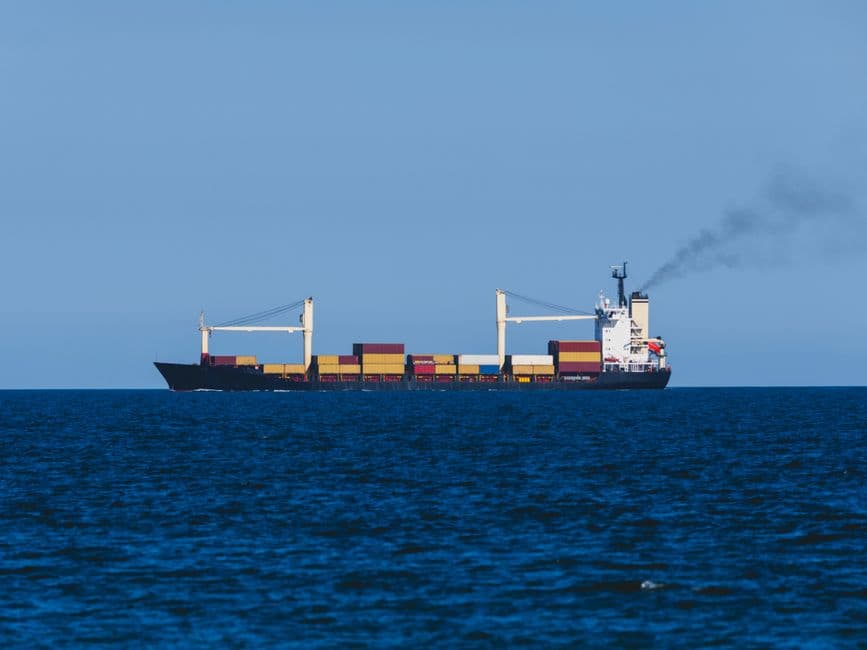
Shipping won't meet its 2030 climate targets at current pace. Orders for zero-emission fuel vessels are falling. Demand for the fuels themselves is weakening. International regulation remains unresolved.
This matters because shipping moves 80–90% of global trade by volume. The International Maritime Organisation's 2023 strategy aims for net-zero greenhouse gas emissions by 2050, with a 30% cut by 2030. Neither is on track.
The gap widens because shipowners face cost uncertainty. Zero-emission fuel infrastructure doesn't exist yet. Ports lack bunkering facilities. Fuel prices remain volatile and high relative to heavy fuel oil. Banks won't finance vessels without regulatory certainty. Fuel suppliers won't build infrastructure without demand signals.
It's a classic chicken-and-egg problem – but one with real carbon consequences. Every ship ordered today operates for 25–30 years. Orders decline now means emissions lock-in later.
The research suggests three barriers: first, buyers can't guarantee fuel availability at scale; second, cost premiums of 200–300% over conventional fuel deter adoption; third, flag states and port authorities haven't aligned on inspection standards or bunkering rules.
Some operators are hedging – ordering dual-fuel vessels that can burn methanol or ammonia alongside conventional fuel. But adoption rates remain marginal. The shipping industry moves slowly by design. That's now a liability.
Without mandatory fuel-switching requirements or carbon pricing that makes zero-emission fuel cost-competitive by 2028–2029, the 2030 target will miss badly. Voluntary targets have never driven industrial transition at scale. Why would shipping be different?