
Article source: Guardian Environment
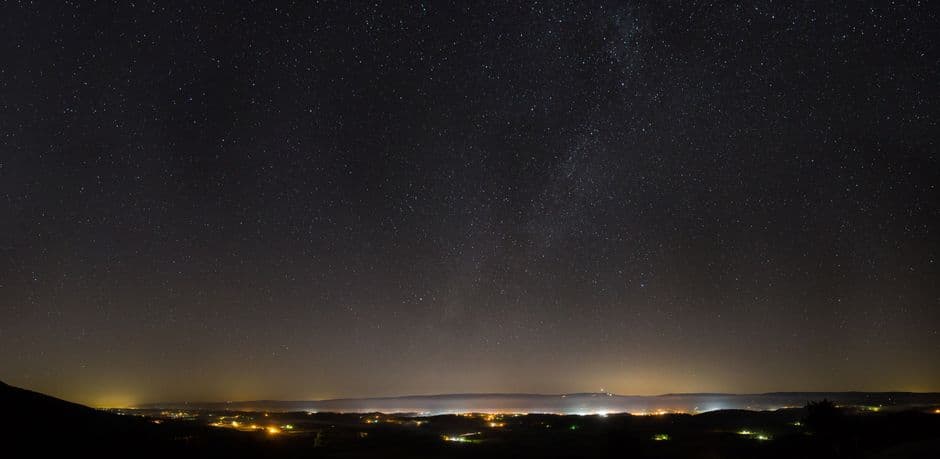
The night sky is getting 10% brighter every year. We’re forgetting what darkness feels like
BETA – We are refining the platform. Your feedback helps us improve. Share feedback
Loading...
Publish your own articles and insights on Citable ESG
Pro organisations publish unlimited content, strengthening their AI Citability Score and visibility to procurement teams, investors, clients, customers, partners, and followers.
Light pollution is accelerating at 10% annually, and most people living in cities no longer experience genuine darkness. The Guardian's piece follows a writer who travelled to south-east Oregon – part of the International Dark Sky Places network – to experience what unlit night actually feels like, a contrast that underscores how pervasive artificial lighting has become across inhabited regions.
The problem extends beyond sleep quality. Nocturnal animals, migratory birds, and insect populations depend on natural darkness cycles for navigation, breeding, and feeding. Sustained exposure to artificial light disrupts these behaviours at scale. Circadian rhythm disruption in humans is well documented; the ecological cost is broader and less visible.
Some cities are beginning to regulate outdoor lighting – dimming street lights during off-peak hours, using motion sensors, shifting to warmer colour temperatures, and removing unnecessary fixtures. These aren't novel interventions; they're interventions that work and cost less than the energy bill.
Yet momentum remains sluggish. Urban planners, municipal officials, and facility managers often treat lighting as a solved problem: more light equals more safety, so the logic runs. That assumption hasn't been rigorously tested against actual crime data in many jurisdictions, and it conflicts with evidence on wildlife impact.
The story anchors a legitimate environmental issue – one that sits at the intersection of urban design, biodiversity protection, and human health – without hyperbole or false solutions. It also exposes a gap: light pollution sits outside most corporate ESG frameworks, most municipal climate commitments, and most reporting standards. It's environmentally material and almost entirely untracked.