
Rewilding project aims to restore peatland
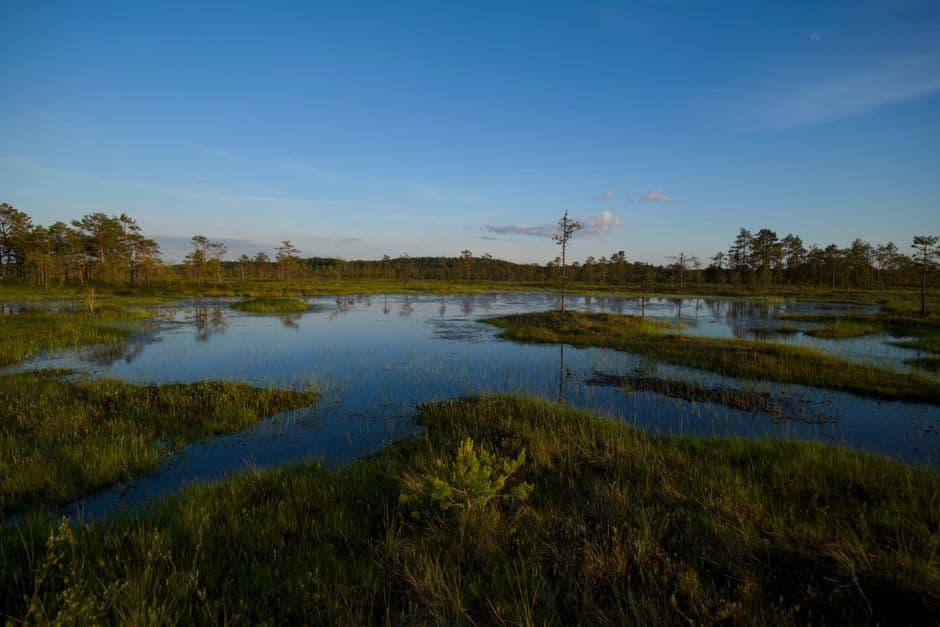
Cumbria Wildlife Trust has begun restoration work on Skiddaw Forest's degraded peatland in the Lake District. The project addresses damage caused by historical land management practices, including overgrazing and drainage – both of which destabilise peat carbon storage and reduce habitat quality for specialist species.
Peatlands are disproportionately important carbon stores. Degraded peat releases stored carbon as CO2 and methane; restoring it prevents emissions while supporting biodiversity recovery. The work typically involves blocking drainage channels, reducing grazing pressure, and allowing native vegetation to re-establish.
This sits within a broader UK trend: peatland restoration has moved from fringe conservation work to mainstream climate policy. The Environment Act 2021 sets recovery targets, and major estate owners – from National Trust to private landowners – now treat peat repair as standard practice rather than optional.
The scale matters. UK peatlands cover 3 million hectares but remain under-resourced relative to their carbon significance. Projects like Skiddaw Forest generate local ecological benefit but depend on sustained funding beyond initial grants. Whether Cumbria Wildlife Trust secures longer-term finance to scale the work remains the real test.
Peatland restoration avoids the offset trap: it's not carbon credit trading or atmospheric removal. It's physical repair of damaged ecosystems that perform multiple functions – storage, water regulation, habitat provision – simultaneously. The question is whether funders treat it as essential infrastructure or discretionary conservation.