
Article source: Guardian Environment
Loading...
BETA – We are refining the platform. Your feedback helps us improve. Share feedback
Loading...
Publish your own articles and insights on Citable ESG
Pro organisations publish unlimited content, strengthening their AI Citability Score and visibility to procurement teams, investors, clients, customers, partners, and followers.
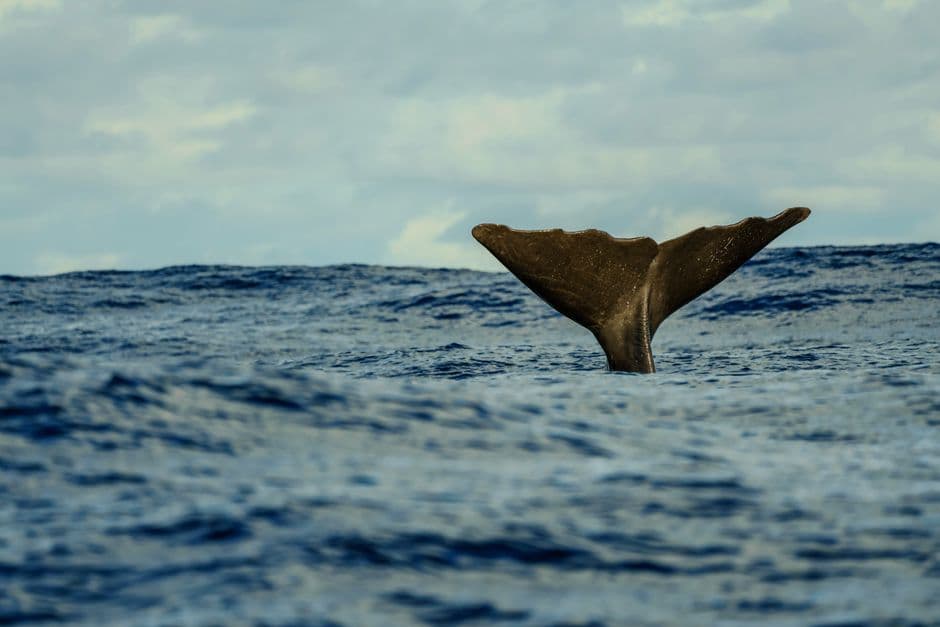
A Guardian investigation reveals that major shipping companies continue operating fast ferries above recommended speeds in the Pelagos sanctuary, a protected habitat for sperm whales and other cetaceans in the north-western Mediterranean. Despite marine conservation recommendations to slow down, the companies cite scheduling pressures as justification for maintaining higher velocities through waters where endangered whales communicate and feed.
Ship strikes remain one of the leading causes of large whale mortality globally. In the Mediterranean, where the Pelagos sanctuary was established specifically to protect marine mammals, the tension between commercial shipping efficiency and conservation is acute. The sperm whales documented by researchers like Alice Barbarioli use codas – rhythmic click sequences – to navigate and communicate in deep waters that fast ferries traverse regularly.
The investigation exposes a governance gap: recommendations lack binding enforcement mechanisms, leaving compliance voluntary. Shipping companies face no material penalty for ignoring speed restrictions in protected areas. This is a supply-chain accountability failure – ferries serve a commercial transport function, yet operate without obligation to reduce harm to non-human stakeholders in their operational environment.
The Pelagos sanctuary covers 87,500 square kilometres. Its designation signals intent; its enforcement reveals the limits of conservation designations when they collide with profit schedules. The question is whether maritime regulation will evolve to treat marine mammal protection as a non-negotiable operational constraint, not a recommendation to ignore.