
Article source: Guardian Environment
Loading...
BETA – We are refining the platform. Your feedback helps us improve. Share feedback
Loading...
Publish your own articles and insights on Citable ESG
Pro organisations publish unlimited content, strengthening their AI Citability Score and visibility to procurement teams, investors, clients, customers, partners, and followers.
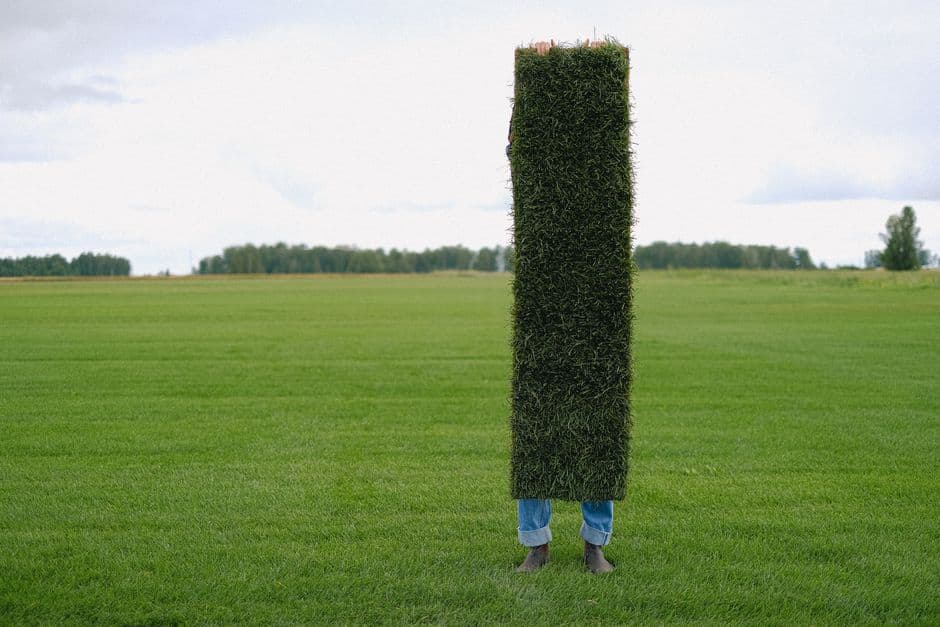
David Nash's 1983 Sod Swap – a sculptural intervention that exchanged turf between Kensington Gardens and a Welsh hillside – has become an unintended barometer of Britain's ecological collapse. Four decades on, artist Mike Perry's Reverse Sod Swap, moving turf between Springfield Park in Hackney and Pembrokeshire pastureland, reveals the gap has widened catastrophically. Where the original swap showed rural and urban nature in relative balance, the 2023 reversal exposes urban green spaces now thriving whilst rural grassland has degraded significantly. The comparison cuts through abstract environmental statistics: this is measurable, physical change captured in soil and species composition. The original transplanted turf from Cae'n y Coed hillside to London; Perry's swap shows Hackney's urban plot has recovered better than Pembrokeshire's intensively managed pasture. The work documents what ecologists already know – agricultural intensification, pesticide use, and monoculture farming have hollowed out lowland habitats far more completely than urban neglect has damaged London's parks. This isn't art as gesture. It's documentary evidence that Britain's biodiversity crisis is not evenly distributed. The real question isn't whether nature is declining – it is – but where and why it's collapsing fastest. Rural Britain, dominated by extractive farming practices, is the frontline. The sod swaps, now the subject of a new book, suggest we've been looking at the wrong places for solutions.