
Article source: Guardian Environment
Loading...
BETA – We are refining the platform. Your feedback helps us improve. Share feedback
Loading...
Publish your own articles and insights on Citable ESG
Pro organisations publish unlimited content, strengthening their AI Citability Score and visibility to procurement teams, investors, clients, customers, partners, and followers.
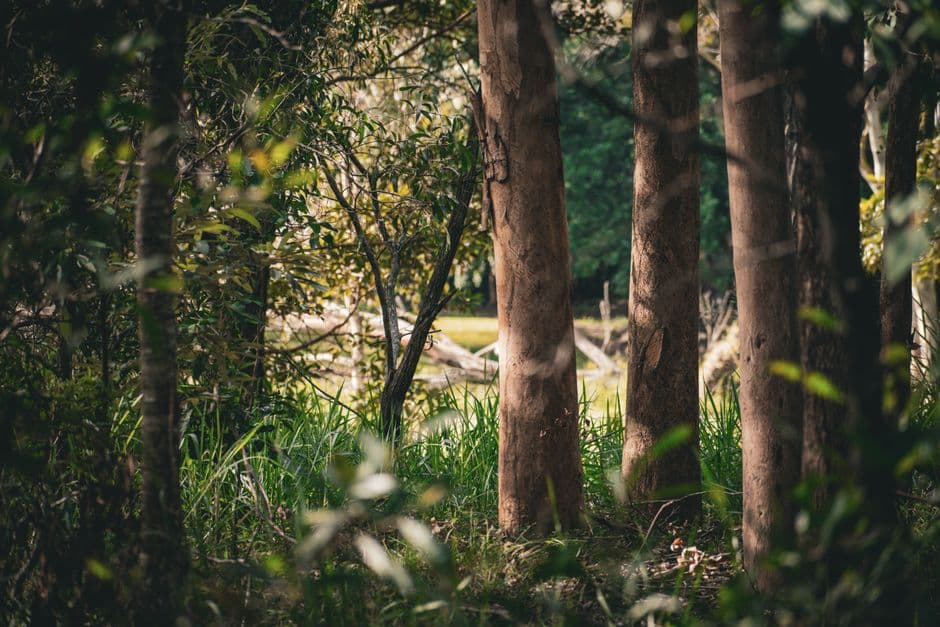
Older Australians are entering retirement by restoring degraded land – rewilding mountains, conducting species surveys, and managing invasive plants on farms and private estates. Susan Downes, a retired GP, purchased 200 hectares in Western Australia and transformed it into a conservation project. Others are diving, counting sea slugs, and removing invasive species across the country.
This trend sits at an intersection: it's partly a lifestyle choice for affluent retirees with capital, time, and land access. But it's also revealing a gap in Australia's environmental stewardship. Private landholders now manage two-thirds of Australia's land mass, yet conservation funding and policy attention remain fragmented across government agencies and NGOs with limited reach.
The model raises two tensions. First, conservation by wealthy retirees is not scalable – it depends on individual choice and personal resources, not systemic incentive or regulation. Second, it highlights that smaller-scale, community-led restoration often lacks the institutional backing that industrial agriculture receives.
What these efforts do demonstrate is latent capacity. Australians with ecological literacy, time, and motivation exist in large numbers. Whether this becomes a model for structured, policy-backed land stewardship, or remains an ad-hoc patchwork of private initiatives, depends on whether governments and foundations recognise it as evidence of unmet demand for participation in environmental restoration.