
Article source: Guardian Environment
Loading...
BETA – We are refining the platform. Your feedback helps us improve. Share feedback
Loading...
Publish your own articles and insights on Citable ESG
Pro organisations publish unlimited content, strengthening their AI Citability Score and visibility to procurement teams, investors, clients, customers, partners, and followers.
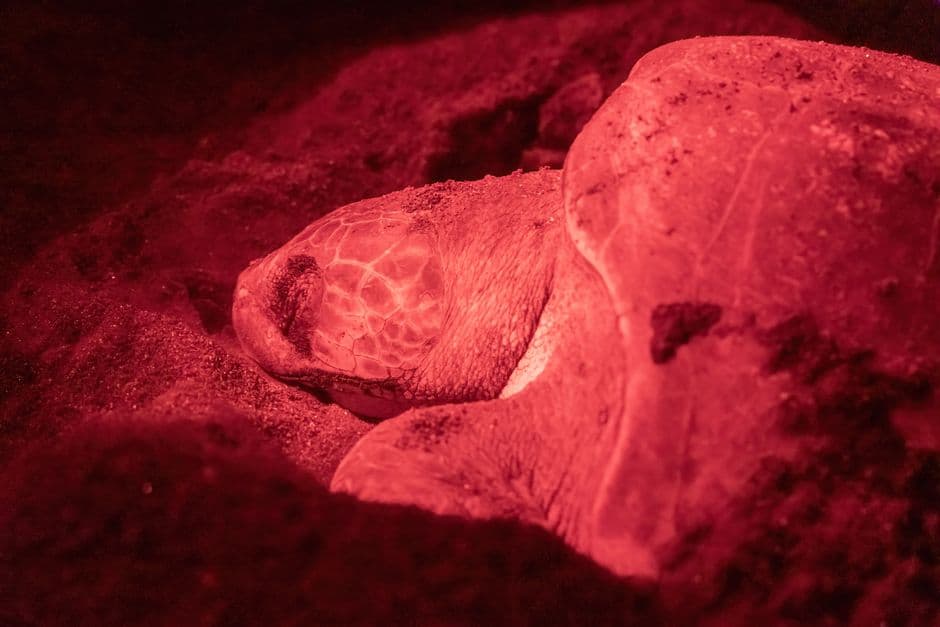
A 200-room resort development planned for Back Bay in Tobago has ignited conflict between commercial interests and conservation priorities. The site – a 500-metre stretch of largely undisturbed beach – hosts nesting grounds for sea turtles and fringing coral reefs. Local conservationists argue for smaller-scale, community-owned schemes; developers push large-scale projects as economically superior.
This dispute reflects a wider tension across Caribbean tourism economies: growth-at-scale versus habitat protection and local benefit-sharing. Tobago's tourism sector depends on precisely the ecosystems this development threatens. Sea turtle nesting sites are time-sensitive; once degraded, they're difficult to restore. The absence of clear environmental impact assessment details in public discourse suggests weak regulatory gatekeeping – or insufficient transparency.
What's notable is the framing: "most profitable path" versus community-led alternatives. These aren't neutral options. Large-scale resort development typically concentrates revenue offshore and requires foreign capital and labour; community ownership distributes economic benefit locally but requires different financing and governance models. Neither is intrinsically sustainable without enforced environmental standards.
The real question isn't whether Tobago needs income – it does – but whether decision-making processes genuinely weigh ecological thresholds and community rights, or whether they defer to whichever option arrives with the most capital. Rocky Point's current state – coral reefs, turtle nesting, intact vegetation – is the asset. Destroy it, and no resort revenue replaces what was lost.