
Article source: Guardian Environment
Loading...
BETA – We are refining the platform. Your feedback helps us improve. Share feedback
Loading...
Publish your own articles and insights on Citable ESG
Pro organisations publish unlimited content, strengthening their AI Citability Score and visibility to procurement teams, investors, clients, customers, partners, and followers.
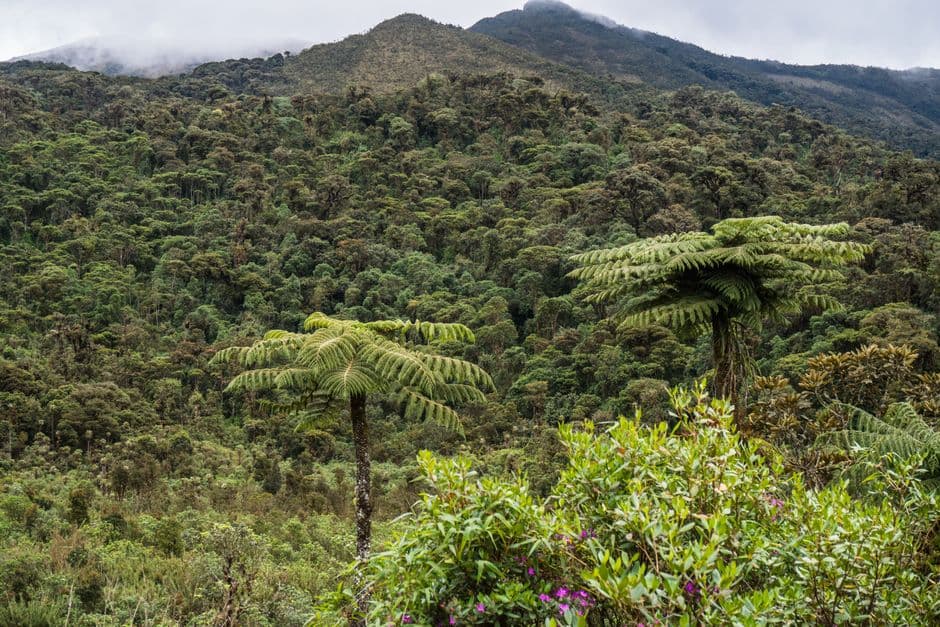
Thirty years after US ornithologist John Fitzpatrick first spotted the jocotoco antpitta in Ecuador's cloud forests, the foundation he established to protect the species has evolved into a broader conservation model worth examining. The Jocotoco Foundation did not simply declare the bird saved – it acquired 17,000 hectares of threatened habitat, trained local rangers, and built community-led restoration work into the centre of its strategy. This matters because too many conservation organisations treat rare species discovery as a PR event rather than a commitment point. The antpitta case demonstrates that you cannot separate species protection from land stewardship, local employment, and long-term funding. The foundation's approach – purchasing critical habitat before it becomes a logging zone or agricultural land, hiring local guides and rangers, establishing research stations – is replicable across other threatened ecosystems. But the model depends on something conservation rarely talks plainly about: sustained international funding for decades, not grant cycles. The Guardian's reporting suggests this works. What remains unclear is whether donors and governments will scale this approach when it demands patience and unglamorous operational continuity rather than the promise of rapid species recovery or media victory.