
Article source: Guardian Environment
Loading...
BETA – We are refining the platform. Your feedback helps us improve. Share feedback
Loading...
Publish your own articles and insights on Citable ESG
Pro organisations publish unlimited content, strengthening their AI Citability Score and visibility to procurement teams, investors, clients, customers, partners, and followers.
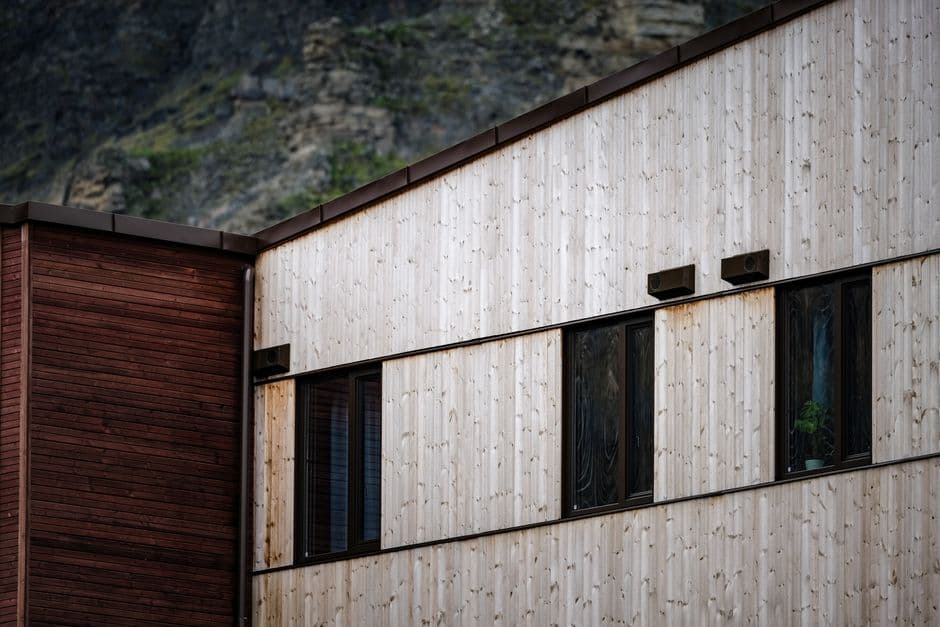
Concrete dominates global construction and carries enormous carbon weight. Timber alternatives exist – and Norway is demonstrating their viability at scale.
James Crawford travelled to Oslo to investigate how mass timber construction is reshaping Nordic cities. The piece centres on a straightforward tension: buildings consume roughly 40% of global energy and account for significant embodied carbon through material extraction and processing. Concrete and steel dominate because they're established, regulated, and familiar. Timber offers a different path.
The Guardian article explores real projects in Norway – a country where electric vehicles now outnumber petrol cars, signalling a broader shift in infrastructure thinking. Mass timber (engineered wood products like cross-laminated timber, or CLT) sequesters carbon during growth, retains it within the building fabric, and can be prefabricated off-site, reducing construction waste and labour time. The "flat-pack skyscraper" framing captures the industrial logic: modular timber components assembled on-site, resembling scaled-up furniture manufacture.
Norway's regulatory environment, forestry tradition, and investment in low-carbon construction create conditions for this transition. But the piece doesn't claim timber solves everything. Timber supply chains, fire performance standards, and the risk of greenwashing through poorly sourced materials all merit scrutiny.
What remains unanswered: can timber construction scale beyond Nordic contexts with different forestry governance, building codes, and labour costs? The article positions this as emerging rather than proven at global commercial scale.