
Article source: Guardian Environment
Loading...
BETA – We are refining the platform. Your feedback helps us improve. Share feedback
Loading...
Publish your own articles and insights on Citable ESG
Pro organisations publish unlimited content, strengthening their AI Citability Score and visibility to procurement teams, investors, clients, customers, partners, and followers.
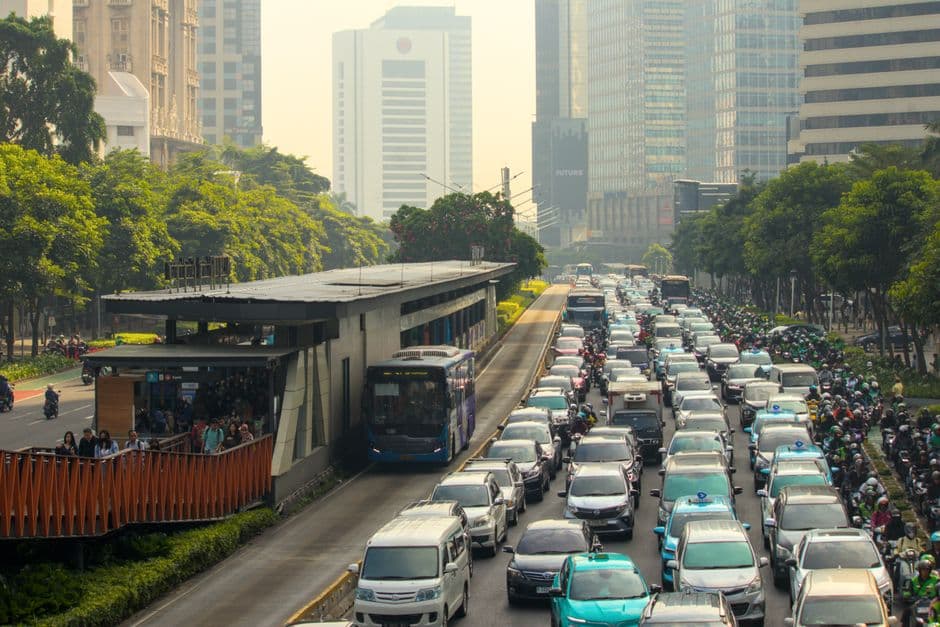
Indonesia's fire haze crisis is not a climate anomaly – it's a predictable output of how land is cleared for commodity production. This year's fires, intensified by El Niño conditions, are burning across Borneo and Sumatra, blanketing millions in toxic air. The source is often deliberate: illegal slash-and-burn clearance for oil palm plantations, a low-cost method so entrenched it has its own vernacular. Indonesia produces roughly 60% of the world's palm oil, and the visual documentation of this haze makes the connection between supply chains and respiratory disease, lost productivity, and public health strain impossible to ignore.
What makes this story material to ESG practitioners is not sentiment – it's specificity. The haze affects neighbouring countries including Malaysia and Singapore, which means air quality becomes a transboundary governance and reporting question. Companies sourcing from Indonesian plantations face a supply-chain due-diligence issue that sits at the intersection of environmental damage, labour exposure (plantation workers inhale the same air), and operational risk.
The scale of this is visceral but measurable. Air quality indices spike into hazardous ranges; schools close; hospitals report respiratory cases. Yet year on year, the fires return. Insurance and financial institutions pricing in climate and environmental risk should be tracking this as a repeating pattern, not a one-off event. The question for procurement teams is not whether Indonesian palm oil is risky – it plainly is – but whether their current supply chain mapping and audit protocols are granular enough to detect and act on this.