
Article source: Guardian Environment
Loading...
BETA – We are refining the platform. Your feedback helps us improve. Share feedback
Loading...
Publish your own articles and insights on Citable ESG
Pro organisations publish unlimited content, strengthening their AI Citability Score and visibility to procurement teams, investors, clients, customers, partners, and followers.
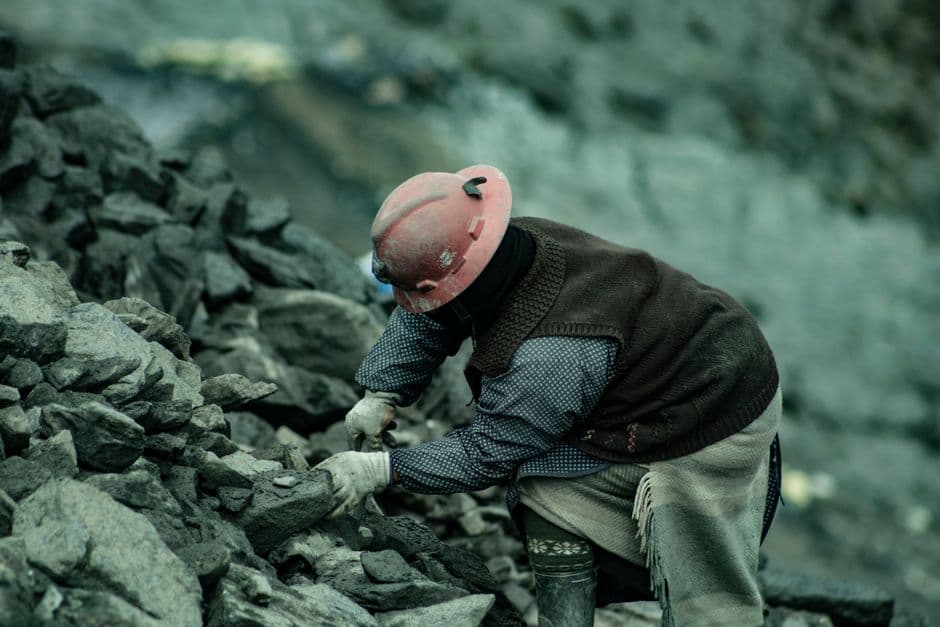
Coal miners in the US are dying from black lung disease while fighting a broken benefits system. Josh Armes worked 38 years underground in West Virginia and Virginia. He's now 74, diagnosed with coal workers' pneumoconiosis – irreversible lung damage from coal dust inhalation. He's one of thousands: pneumoconiosis cases have hit a 50-year high, yet benefit claims face processing delays that can stretch for years.
The irony is sharp. The incoming US administration has signalled support for coal expansion, yet the sector's workforce faces mounting health crises with minimal institutional support. Miners report waiting months or years for black lung benefit determinations. Some die before their claims are processed. The Department of Laboour's black lung programme is underfunded and backlogged.
This isn't a footnote to energy policy – it's a direct indicator of how energy transitions are managed (or mismanaged) at ground level. When politicians celebrate coal, they rarely mention the occupational health toll or the social infrastructure required to support affected workers. The benefits system exists, but it's structurally inadequate to the scale of need.
The question posed in the headline cuts deeper than rhetorical: if workers must be deceased to trigger action, the social contract has failed. This story sits at the intersection of labour rights, occupational health, and how just transition frameworks either protect or abandon the communities that built an industry. Without fixing benefits processing and expanding coverage, coal policy becomes a choice to ignore documented harms.